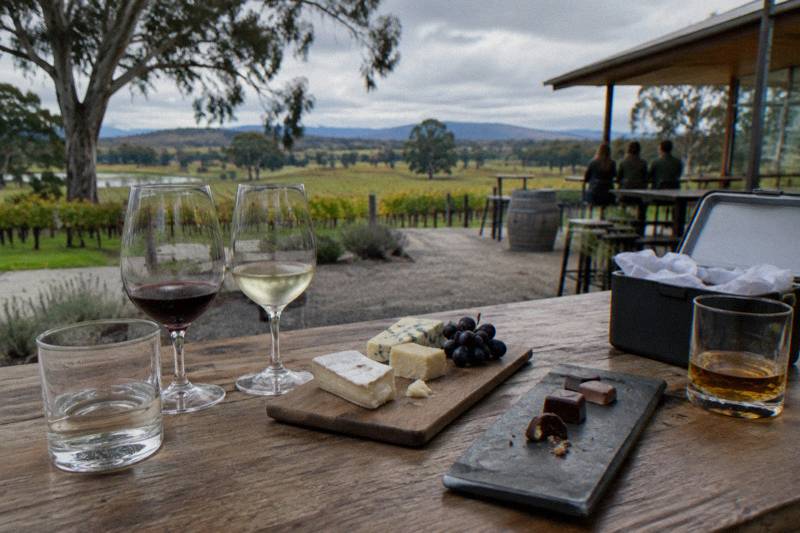
What Is Winery Etiquette?
The practical rules of Hunter Valley cellar door etiquette: tasting pace, spit buckets, perfume, questions, purchases and why a driven tour beats self-driving between cellar doors.
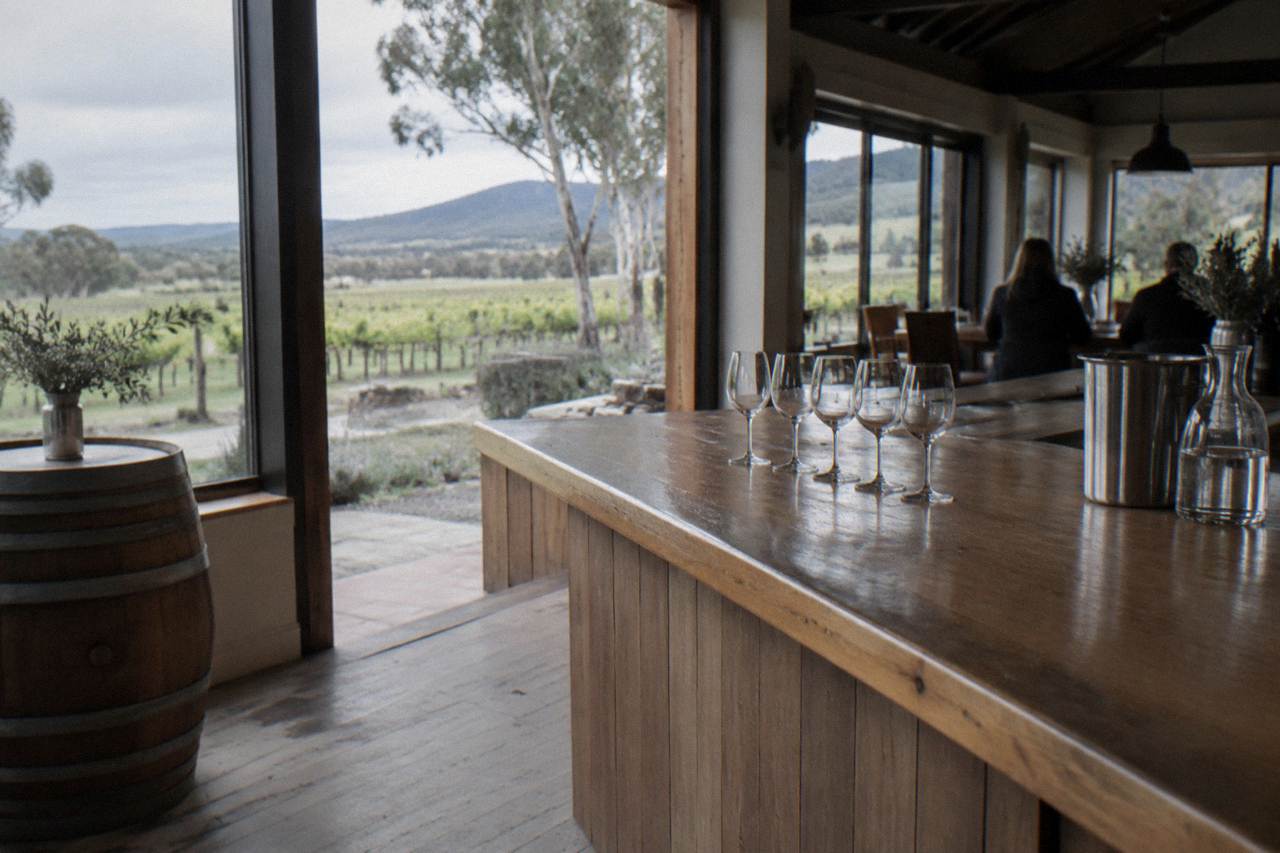
Wine etiquette sounds like a set of antique rules until you stand at a busy cellar door bar on a Saturday and watch the room work. The counter holds a dozen glasses, the pourer is moving through a flight in a deliberate order, half the visitors are asking questions and the other half are quietly tipping wine into a bucket, and nobody thinks any the less of anybody. Etiquette here is not formality. It is the small set of habits that let a tasting room serve forty people an hour without descending into chaos, and most of it can be learned in one visit. If you want to see where newcomers most often slip up, our guide to common wine tasting mistakes in the Hunter Valley lays out the pitfalls and shows how a guided tour sidesteps most of them.
The Hunter Valley is a good place to learn it. The region is Australia's oldest premium wine producing area, with more than 140 wineries and cellar doors, and the local wine association is blunt about the practical reality: the cellar doors are not within walking distance of each other, and travel between them is best by vehicle or an organised tour. That single fact shapes almost every piece of etiquette advice in this article, because how you move between tastings matters as much as how you behave at the bar. Since you will be outside moving between tastings, our seasonal winery outfit guide covers what to wear year round.
What Is Winery Etiquette?
Winery etiquette is the set of courteous habits that keep a cellar door tasting pleasant for guests and staff: taste at a measured pace, use the spit bucket freely, avoid strong scents that mask the wine, ask questions rather than pretending expertise, and never pressure yourself or others to finish or buy. None of it is complicated, and most first-timers already know the underlying manners from any hospitality setting. The only genuinely wine-specific pieces are the spit bucket, the tasting order and the scent question, and each of those takes one paragraph to explain.
At its core, cellar door etiquette follows the same logic as restaurant etiquette. You would not walk into a small bistro at peak hour with a picnic, a boombox and a plan to order one entree for six people; the same restraint applies at a tasting bar. The staff are running a service, other guests are paying for the same experience, and the wine in front of you is a product someone grew, picked and fermented. Treating all three with ordinary consideration covers about ninety percent of the rules.
The remaining ten percent is where new visitors sometimes freeze, usually over the spit bucket. Spitting is not rude at a winery. It is the professional standard: winemakers, judges and sommeliers spit almost everything they taste when they are working, because the point of a tasting is to evaluate the wine, not to consume a bottle's worth across an afternoon. The bucket on the counter exists for exactly this, and using it marks you as someone who understands the room rather than someone who is wasting wine.
There is also a regional layer. Hunter Valley cellar doors, like cellar doors across Australia, operate under responsible service of alcohol rules, and staff can and will slow down service to anyone who is visibly affected. The etiquette version of that legal reality is simple: arrive having eaten something, taste at the pace the flight is poured, and treat the day as a tour of the region rather than a race through it. Guests who approach it that way get more from the pourer, not less, because staff relax and talk when they are not managing behaviour.
If you would rather have the pacing handled entirely, the valley has tours built around exactly that. The Tastes of the Hunter Tour collects from Hunter Valley hotels, runs three hours through wine, spirits, cheese and chocolate tastings for a maximum of 11 travellers from A$146 per person, and the Snapshot Half Day Tour does three cellar door stops in three hours from A$129. From Sydney, the chef-led Gourmet Getaway day includes breakfast, lunch and hotel pickup from selected hotels, from A$277 per person.
How Should You Behave At A Cellar Door Tasting?
Arrive ready to taste, let the pourer lead the flight in their intended order, keep conversation at bar level, keep phones away from the counter, and finish or spit each pour before moving to the next. If a booking is required, book. If you are in a group of eight or more, call ahead, because large groups need a booking prior to arrival at many valley venues. Those six habits are the whole framework, and each one has a reason behind it.
The tasting order matters more than newcomers expect. A well-constructed flight moves from lighter wines to fuller ones, and usually from dry to sweet, so that each pour can actually be tasted. Swapping the sequence, or asking for the Shiraz first because it is the wine you came for, flattens your palate for everything after it. The pourer is not being precious about the order; they are protecting your ability to taste the wines you are about to be served. If you have a specific interest, the courteous move is to say so at the start and let them build the flight around it.
Conversation volume is the most common Saturday-afternoon failure. A cellar door is not a bar. Tasting depends partly on smell and partly on attention, and a group recounting the morning's stories at full volume changes the room for everyone. The same goes for phones: a quick photo of a label is normal, but a video call at the tasting counter, or a phone playing audio, intrudes on a shared space. Step away from the bar for anything louder or longer than a label snap.
Groups deserve a specific note, and the Hunter Valley Wine & Tourism Association says it plainly: large groups require a booking prior to arrival, and bookings ahead of your arrival are highly recommended across the region. Turning up unannounced with twelve people at a small boutique cellar door puts the staff in an impossible position, either splitting your group or slowing the bar for everyone else. Booked groups also tend to get a better experience, because the venue can staff for you and sometimes set aside a dedicated tasting area. Once your group is booked, the next question is where to base yourselves, and our guide to choosing between Pokolbin and Lovedale as your Hunter Valley base explains which area suits tour pickups and easy cellar door access.
Finally, handle the glass sensibly. Hold it by the stem or the base rather than the bowl, both to keep the wine at cellar temperature and to leave the glass clear for looking at the wine. Do not wear fragrance on tasting days; that point deserves its own section. And if you dislike a wine, the spit bucket is the answer, not a dramatic reaction. Every cellar door pours wines that some guests dislike, and a quiet "not for me, but interesting" is the register the room expects.
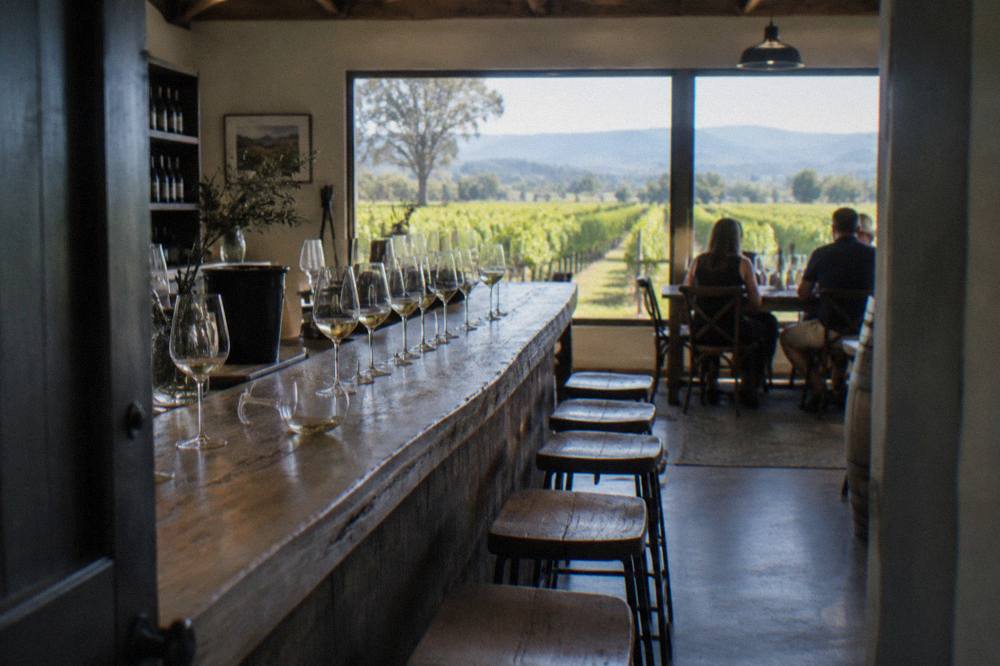
| Do | Do Not |
|---|---|
| Let the pourer lead the flight in order | Reorder the tasting to start with your favourite |
| Use the spit bucket freely and without apology | Drain every pour out of politeness |
| Ask questions about the wine and the region | Fake expertise or name-drop scores |
| Book ahead, especially for groups of eight or more | Arrive unannounced with a large group |
| Keep phones off the counter and voices low | Take calls or play audio at the bar |
| Say what you like at the start of the flight | Wander off mid-flight and return for pours out of sequence |
A guided tour removes most of this friction by design. On the Tastes of the Hunter Tour, the guide sets the pace at each stop, the group size is capped at 11, and the operator lists hotel pickup and drop-off as included, so the etiquette load on each guest shrinks to behaving well at the bar itself. You can read more in the Tastes of the Hunter review and Check availability if the format suits your dates.
Why Should You Skip Perfume And Strong Scents?
Fragrance is the single most damaging thing a guest can bring to a tasting room, because smell carries most of what we perceive as flavour, and a sprayed perfume or aftershave competes directly with the wine in your own glass and in the glasses of everyone standing nearby. Skip perfume, aftershave, strongly scented lotion and lip balm on tasting days. This is not fussiness; it is chemistry, and it is the etiquette rule most often broken by people who would never otherwise impose on anyone.
Smell is the dominant sense in tasting. What we call flavour is largely retronasal smell, and what we call a wine's nose is direct smell off the surface of the glass. A perfume that reads as pleasant at two metres reads as a wall at thirty centimetres from a wine glass, and it does not take much of it to flatten the citrus and honey notes a Hunter Valley Semillon is famous for. Worse, scent hangs around the counter and follows the group, so one sprayed wrist can affect a dozen other guests' flights. Skipping the fragrance is one of the easier calls you can make before a tasting, and a good Hunter Valley wine tour packing list covers the rest, from water and layers to cash for tasting fees.
The professional world takes this seriously. Wine judges avoid fragrances on judging days for exactly this reason, and many tasting rooms quietly wish they could post the rule at the door. The courteous version is simply to treat a tasting day like a scent-free zone: shower, skip the cologne, use unscented sunscreen if you will be outside between venues, and save the fragrance for dinner. If you have already applied scent and realise at the door, washing hands and wrists in the bathroom before approaching the bar recovers most of the situation.
The same logic extends to other strong smells. Cigarette smoke on clothing, heavily scented hand sanitiser and even strongly aromatic food eaten in the car all follow you to the counter. None of this needs ritual or worry. It just needs the small awareness that a tasting room is a shared sensory space, and that the least intrusive guest is usually the one who arrives smelling of nothing much at all.
How Fast Should You Taste, And How Does The Spit Bucket Work?
Taste at the pace the flight is poured, which usually means several minutes per wine, and use the spit bucket for any pour you do not want to swallow; spitting is standard practice among winemakers and judges, and no cellar door staff will read it as an insult. A typical full-day Hunter Valley itinerary visits three or four cellar doors, and pacing is what keeps the last stop as enjoyable as the first. Speed is the enemy of a good tasting day.
The arithmetic explains why. A tasting flight at each cellar door might involve five to eight wines, and even swallowing only the mouthful-sized pours, a day of three venues can put the equivalent of several full glasses of wine into the average adult, on an empty stomach, in warm weather. The professional solution is the spit bucket, and it is worth being direct about the technique because embarrassment is the only thing stopping most new tasters from using it.
Spitting technique is unglamorous: take a normal mouthful, draw it over the tongue, form an impression of the wine, and eject it firmly and accurately into the bucket. There is a soft art to doing it cleanly, but the room is not judging your form. Every winemaker who has ever poured for you does precisely this for a living during vintage, when they may taste hundreds of wines in a week. Swallowing everything out of politeness is the one choice that genuinely works against you, both for your palate by mid-afternoon and for your safety on the drive home.
Water and food are the other half of pacing. Drink water between wines, not to dilute the tasting but to reset and stay hydrated, and eat a real meal at some point in the day rather than treating cheese biscuits as lunch. Many valley tours build this in: the Uncork the Hunter valley day includes a gourmet grazing box, and Dave's small group valley day includes a relaxed one-course lunch with wine or beer. If your tour does not include food, check the region's dining options before you go rather than improvising at 3pm.
A note on groups and pacing: the person who is "just finishing" a conversation while the pourer waits is a small etiquette failure that compounds across a day. When the flight moves, move with it. Conversation can continue over the wine; it does not need to conclude before it. Groups that keep a shared rhythm get through more wine, more comfortably, than groups that fragment at every stop.
Can You Ask Questions At A Wine Tasting?
Yes, and you should: cellar door staff expect questions, prefer honesty to pretence, and are usually the most informative people in the region about what is in your glass, provided you ask at a reasonable moment rather than mid-pour for the whole group. There is no required vocabulary, and pretending expertise you do not have is worse etiquette than any beginner question. The only genuinely poor question is the one asked to demonstrate knowledge rather than to gain it.
Good questions are simple ones. What grape is this? Is it made on this property? Should this wine be aged, and for how long? What food would you pour it with? How did this vintage treat the valley? Each of these invites the pourer to talk about their work, which most of them love, and none requires you to know anything in advance. Hunter Valley staff field first-time visitors constantly; the region draws a broad mix of serious collectors and day-trippers from Sydney, and a good cellar door adjusts to whichever walks in. Everything else covered here is indexed on Hunter Valley Winery Tours.
The pretence problem runs the other way too. Guests sometimes adopt tasting rituals they have seen elsewhere, the aggressive swirl, the theatrical slurp, the held sniff with closed eyes, partly from nerves. Nobody at the counter minds any of this if it is genuine. What grates is performance aimed at the room rather than the wine, especially the guest who pronounces on every pour in a voice pitched for the back wall. Humility is not just better manners; it gets better service, because staff open up to people who are actually curious.
Timing is the last piece. During a busy Saturday service, a pourer working a bar of twelve people cannot give one guest a fifteen-minute seminar. Read the room: if the counter is three deep, ask your two best questions and let others have their turn. If the room is quiet, you can settle in. And if another guest asks a question you know the answer to, let the staff answer it; correcting a stranger's understanding of Semillon is never the contribution you think it is.
Do You Have To Buy A Bottle After A Tasting?
No. A tasting fee or a free-pour cellar door does not create an obligation to purchase, and staff at reputable venues will not pressure you; buying a bottle is appropriate when you genuinely enjoyed the wine, and the honest courtesy is to thank the staff either way. What is poor etiquette is tasting an entire flight you already know you will not buy from, at peak hour, with no intention of engaging. The distinction is between declining and exploiting.
The reality in Australia, including the Hunter Valley, is that tasting arrangements vary by venue: some cellar doors charge a tasting fee, some waive it with purchase, some pour freely, and policies change, so treat any specific fee as something to check with the venue or your tour operator rather than a fact to assume. What does not vary is the social contract. The staff have given you their time and their product. A genuine thank you, engagement with the tasting, and honesty about what you liked are the currency, whether or not a bottle leaves with you.
When you do buy, a little etiquette applies as well. Buy the wines you actually enjoyed, not the wines you feel you should have enjoyed. If budget matters, one honest bottle you will drink is better than a mixed case bought out of awkwardness. If you tasted something you loved but cannot carry, ask about shipping, which many valley venues offer. And if a tour brought you to the door, note that tour operators often have relationships with the venues on their routes; there is no obligation created by that either, but it is part of why guided guests tend to be welcomed warmly.
Group buying deserves one line: coordinate before you reach the counter. Six group members independently buying six bottles while the rest of the bar waits is a slow, slightly painful ritual. A quick huddle first, one transaction, done.
Can You Drink And Drive Between Wineries?
Standard full-licence drivers in NSW must stay under 0.05 blood alcohol, learner and provisional licence holders and visitors on overseas or interstate learner or provisional licences must be zero, and Transport for NSW recommends not drinking at all if you plan to drive. In a valley of scattered cellar doors, this is why a driven tour is the natural answer for a real tasting day. This is both the region's official guidance and the law.
The Hunter Valley Wine & Tourism Association's own advice to visitors is that cellar doors are best reached by vehicle or aboard a tour, because they are not within walking distance of one another, and Transport for NSW's drink driving guidance is unambiguous about the choice that creates: use a designated non-drinking driver, a tour, a taxi or ride-share if you plan to drink. You can read the official position on the Transport for NSW drink driving page, and the association's visitor guidance on the Hunter Valley Wine Country know-before-you-go page.
For international visitors the zero limit is the detail that catches people out. If your licence is an overseas or interstate learner or provisional equivalent licence, the NSW limit for you is zero, not 0.05, and even tasting-only pours count toward a breath test, so don't drive. Every police car in NSW can conduct random breath testing. The polite framing of this in etiquette terms is blunt: a self-drive wine tour is a wine-country drive with one or two polite sips, not a tasting day, and anyone who wants a real tasting day should not be behind the wheel.
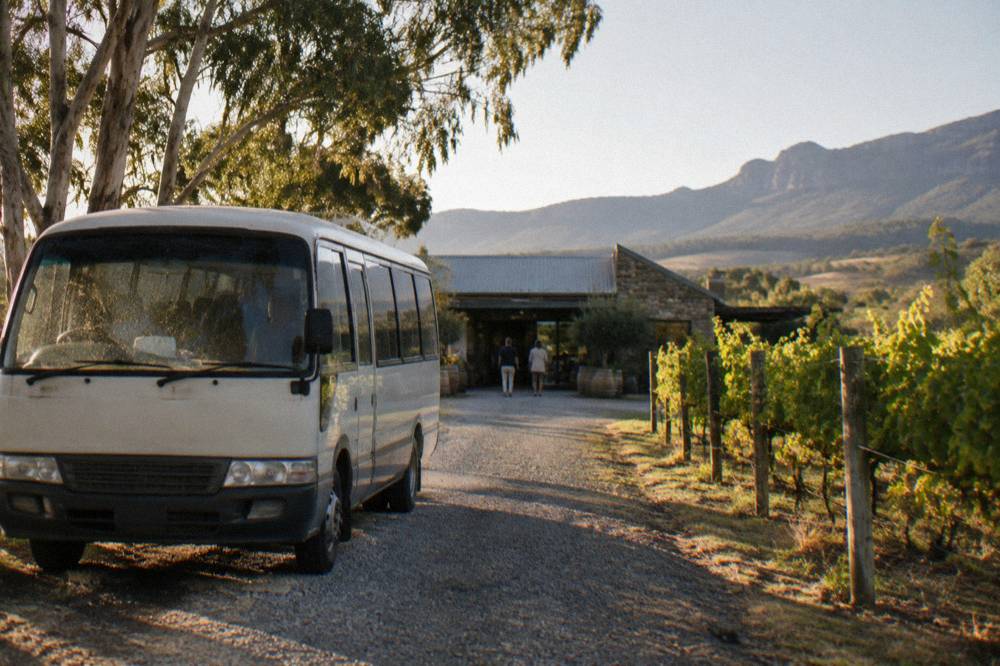
| Option | What It Means For Tasting | Notes From The Tour Roster |
|---|---|---|
| Guided small-group tour | Taste everything, spit or swallow freely, no driving | Valley tours from A$129; the Tastes of the Hunter Tour lists hotel pickup, max 11, from A$146 |
| Sydney day tour | Full tasting day with transport both ways | The chef-led Gourmet Getaway lists pickup from selected Sydney hotels, 5.0 from 792 reviews, from A$277 |
| Designated driver | One person tastes nothing but water | Zero and 0.05 limits apply as above; plan the driver's day too |
| Self-drive with spitting | Workable but restrictive | Spitting reduces intake; it does not reset it to zero |
The tour roster also makes the driven option easy to pair with good manners. The Cheese and Wine Tasting Experience in Pokolbin is a 45-minute seated tasting from A$39 per person for a maximum of 16 guests, which suits a self-drive group that wants one structured stop and a modest pour count. For a full day with no wheel to worry about, Hunter Valley local tours with pickup cover the options, and getting to the valley from Sydney handles the transport question for city visitors.
What Should You Wear To A Winery?
Dress smart-casual and comfortable, choose flat or low shoes for gravel driveways and grass, avoid strong fragrance (as above), and bring a layer for cellar doors that run cool; the valley is a working rural region, not a cocktail bar, so dress for standing, walking and weather first and appearance second. Nothing about valley dress codes requires effort, but a few practicalities genuinely matter.
The terrain is the main thing. Most cellar doors sit on properties with gravel car parks, grassed areas and, at some venues, garden paths or vineyard walks. Heels sink, white soles stain, and thin shoes suffer an afternoon of standing at bars. Dark colours hide the occasional splash of red wine, which is a real occupational hazard of leaning over a tasting counter. A light jacket handles both cool cellars and the valley's winter evenings, when overnight lows average 4 to 5 degrees Celsius in July.
Beyond that, the dress question answers itself the way it does for any regional hospitality setting. The valley hosts everything from birthday groups in matching outfits to couples in hiking gear, and both are welcome. If you want a fuller treatment, including the jeans question and seasonal breakdowns, we cover it in detail in what to wear to a Hunter Valley winery, and the jeans-specific answer sits in can you wear jeans on a wine tour.
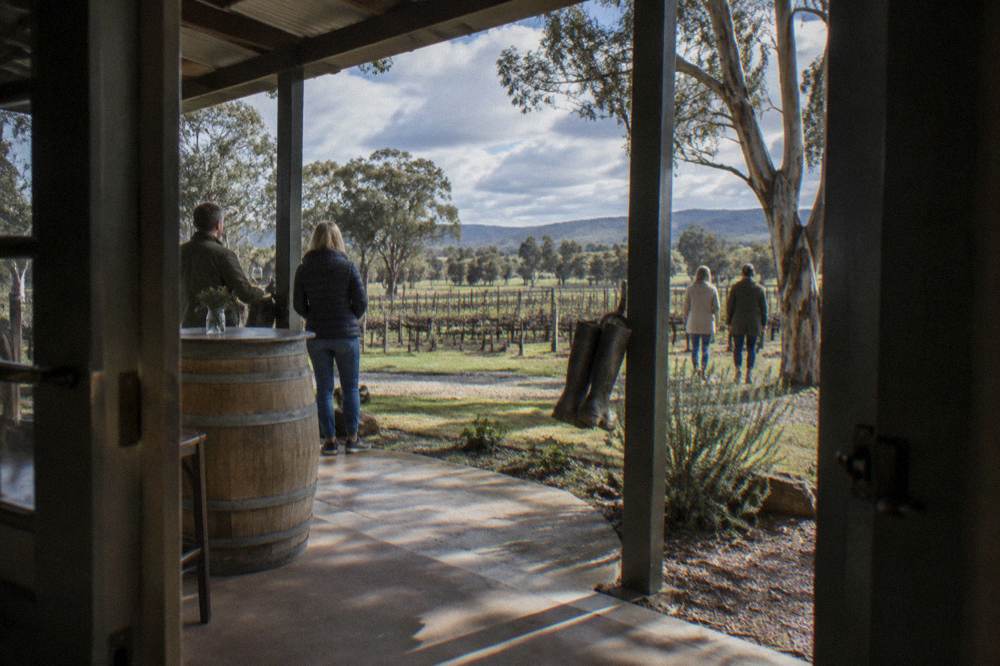
One etiquette footnote on dress: themed group outfits, hens party sashes and matching shirts are a Hunter Valley staple and nobody blinks at them. The only failure mode is clothing that makes staff or other guests uncomfortable, which is rare and obvious when it happens. Groups planning a celebration day will find the logistics and etiquette of group bookings covered in the hens party and group wine tours guide.
What Are The Unwritten Rules For Children, Dogs And Photos?
Children are welcome at many valley venues as long as they are supervised and not running the tasting room, dogs are venue-by-venue and should never be assumed, and photos of wine, labels and views are fine while photos of staff, other guests and private event spaces deserve a moment's thought before you shoot. None of these rules is posted anywhere official; all of them are simply the courtesy the region runs on.
Children first: the valley is a family destination in many respects, and plenty of cellar doors have space where kids can wait out a tasting. The etiquette is supervision. A tasting room full of glassware is genuinely hazardous, staff are serving multiple guests, and a child racing between tables changes the room for everyone. Some tours and venues are adults-only by policy; the shared HV Tours wine tours, for example, state an 18-and-over rule, so check before you book rather than negotiate at the door.
Dogs are a "check first, every time" matter. Some valley properties welcome dogs in outdoor areas; others do not, and service animals are a separate legal category that venues must accommodate. The courtesy move is a quick look at the venue's site or a phone call before you arrive with a dog, and under no circumstances should a dog be left in a car on a warm day, which in the Hunter Valley's summer averages of 28 to 30 degrees Celsius is dangerous within minutes.
Photos deserve their own restraint. A picture of your flight, the view or the label is normal and venues generally like the exposure. What guests sometimes forget is that the staff did not consent to be in your content and neither did the couple quietly tasting beside you. Keep faces out of frames unless you ask, skip photographing private functions, and step away from the bar if you are staging something elaborate. The rule of thumb that covers all three topics, children, dogs and cameras: the cellar door is a shared workplace as well as an attraction, and guests who treat it as both are always welcome back.
What Do First-Timers Get Wrong Most Often?
The recurring first-timer mistakes are swallowing every pour out of politeness, wearing fragrance, arriving with an unbooked large group, treating the pourer as a waiter rather than a guide, and underestimating the distances between cellar doors on a self-drive day. Every one of them is corrected by a single decision: slow down and let the region set the pace. None of these errors is unforgivable, and most are invisible to everyone but the staff.
The swallowing problem is the most stubborn because it comes from a good instinct, the desire not to seem wasteful or ungrateful. But politeness that ends with a guest over the limit at 4pm, or asleep in the car, or unable to taste the last two wineries of the day, is politeness misdirected. Staff genuinely prefer the guest who spits everything and asks good questions to the guest who drains everything and needs managing. The bucket is on the counter because the venue wants you to use it.
The distance problem is the most consequential. First-time Sydney visitors sometimes picture the valley as a walkable village of cellar doors, when it is in fact a spread-out wine zone of more than 140 wineries and cellar doors whose tourism body explicitly recommends vehicles and tours. A plan built on "we'll walk between a few" collapses on arrival. The walking question is answered fully in can you walk between wineries in the valley, but the short version for etiquette purposes is that arriving exhausted, late and flustered at your third stop tends to produce exactly the rushed, loud, transactional behaviour that good tasting-room manners exist to prevent.
| First-Timer Mistake | Why It Happens | The Fix |
|---|---|---|
| Swallowing every pour | Fear of seeming rude | Spit freely; it is the professional norm |
| Wearing perfume or aftershave | Not knowing smell is most of taste | Scent-free on tasting days |
| Unbooked large group | Assuming cellar doors work like bars | Book ahead; large groups always |
| Treating the pourer as wait staff | Unfamiliarity with the format | Ask questions; they are guides, not servers |
| Self-driving a full tasting day | Underestimating distances and BAC rules | Take a driven tour or appoint a zero-drinking driver |
| Racing through flights | Trying to fit in too many venues | Three or four cellar doors is a full, good day |
The deeper pattern across all of it is that etiquette and enjoyment point the same way. Fewer venues, longer at each, water between wines, food at midday, questions instead of performances, and a driver or a tour so nobody spends the day counting pours. The guests who follow that shape are not just better behaved; they taste more, learn more and buy more, which is why valley staff are so warm to curious first-timers. The unwritten contract of the cellar door rewards the unhurried.
Common Questions About Winery Etiquette
What Is Winery Etiquette?
It is the set of courteous habits that keep a cellar door working: taste at the pace of the flight, use the spit bucket without embarrassment, skip perfume and strong scents, ask honest questions, book ahead for groups, and buy only what you genuinely enjoyed. None of it is formal, and all of it follows ordinary hospitality courtesy plus a little wine-specific knowledge.
Is spitting wine at a tasting rude?
No. Spitting is the professional standard among winemakers and judges, the bucket on the counter exists for exactly that purpose, and using it marks you as someone who understands tasting rooms. Swallowing every pour out of politeness is the choice that actually works against you on a multi-venue day.
Can you wear perfume to a winery?
You should not. Smell carries most of what we perceive as flavour, and fragrance competes with the wine in your glass and in the glasses of guests around you. Skip perfume, aftershave and scented lotions on tasting days and save them for dinner.
Do you have to buy a bottle after a free tasting?
No. Tasting arrangements vary by venue and change over time, but no reputable cellar door expects a purchase, and staff will not pressure you. Thank them genuinely, engage with the tasting, and buy a bottle when you actually want one.
How many wineries should you visit in one day?
Three or four cellar doors is a full, comfortable day, especially from Sydney where the drive is about two hours each way. Tours on the roster mostly follow this shape: full days run 6 to 12 hours and visit around three venues, and half days visit three venues in three or four hours.
Can you drive yourself between Hunter Valley cellar doors?
Legally you can if you stay within the NSW limits: under 0.05 for full-licence drivers and zero for learner, provisional and equivalent overseas or interstate licence holders. Transport for NSW recommends not drinking at all if you plan to drive, so a full tasting day is better matched to a tour, a designated non-drinking driver or valley accommodation within pickup range.