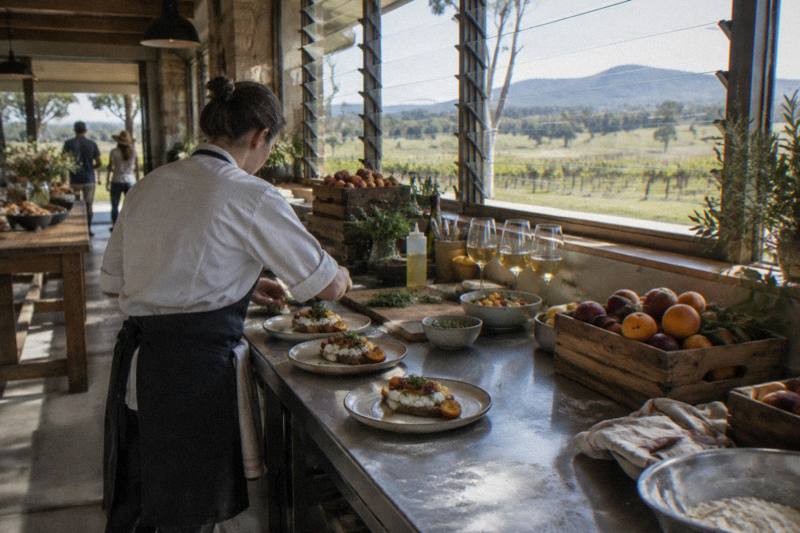
What To Wear To A Hunter Valley Winery Or Wine Tour
A Hunter Valley wine day is a rural day out, not a city function. The floors are gravel and grass, the cellars are cool, the summer sun is real, and January afternoons average a maximum of 30.4 degrees while July mornings dip to a mean minimum of 4.2. What you wear decides whether the day is comfortable or a chore.
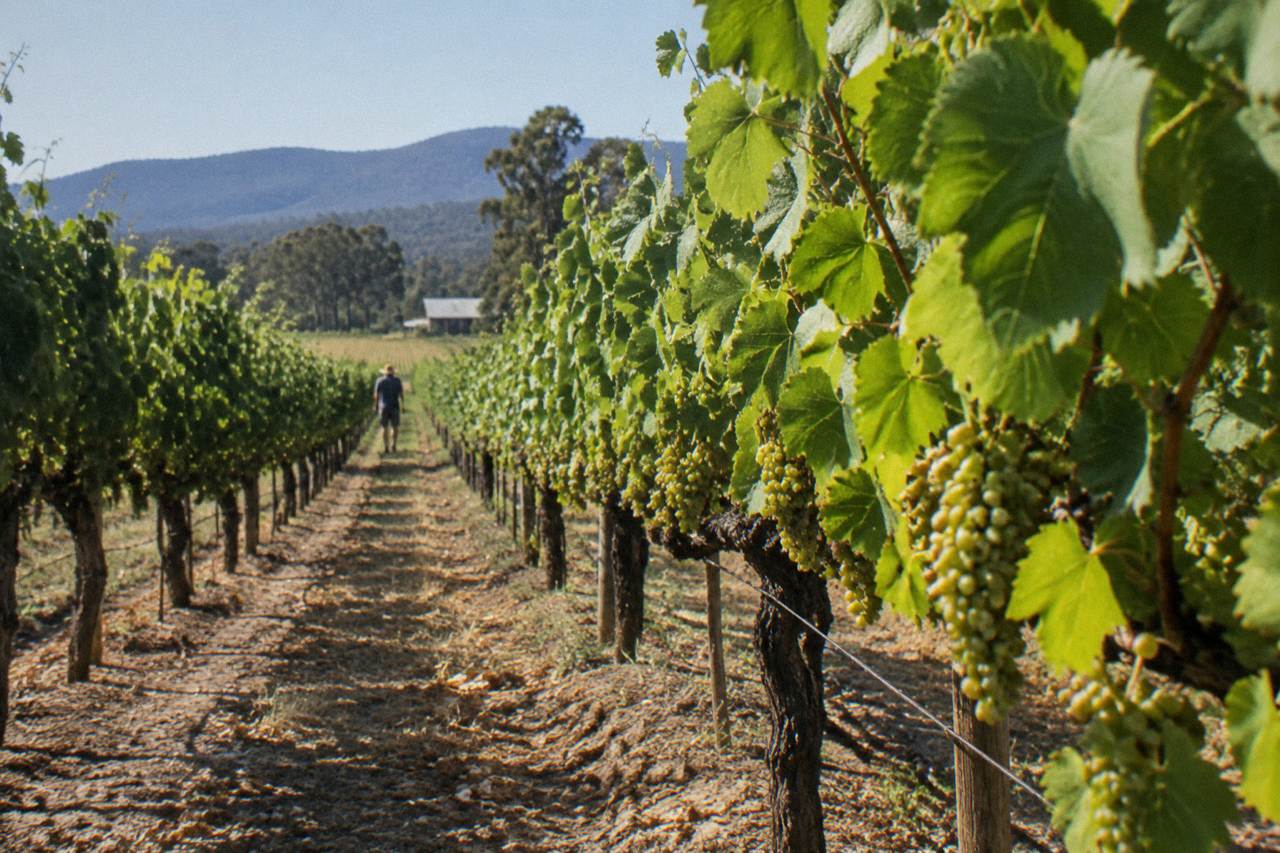
Short answer
Dress in layers you can shed, wear closed shoes with grip for gravel and grass, and bring a jacket for cool cellars and air conditioned coaches. January mean maximums reach 30.4C and July mean minimums fall to 4.2C at nearby Cessnock, so the season matters more than any dress code. No Hunter Valley winery on this site publishes a dress code you must follow.
The Hunter Valley is farmland first and a tourist region second. More than 140 wineries and cellar doors are spread across a zone that includes Pokolbin, Broke Fordwich and the Upper Hunter, and the local tourism association is blunt about the practical reality: cellar doors are not within walking distance of each other, so travel is best by vehicle or tour. That single fact shapes almost every clothing decision on this page, because it means your day will involve getting in and out of a car, coach or van dozens of times, crossing driveways of gravel and grass, and stepping from hot verandas into cellar doors kept cool for the wine. The one big exception to arriving by vehicle is moving between cellar doors under your own power, and our guide to bike and Segway winery tours in the Hunter Valley covers what that means for shoes, helmets and sun protection.
Temperatures swing hard across the year. The Bureau of Meteorology's long-term averages from the Cessnock Airport weather station, which sits right beside the vineyards, put the January mean maximum at 30.4C and the July mean minimum at 4.2C. Rain falls heaviest in summer, with February averaging 98.7mm. None of this demands special equipment. It demands layers, sensible shoes and a bit of planning around which tour you have booked, whether that is the Gourmet Getaway chef-led day from Sydney, the Snapshot half day tasting tour in Pokolbin, or a morning on horseback among the vines.
What Should You Wear To A Hunter Valley Winery?
The short answer is relaxed smart-casual clothes you would happily wear on a farm walk: natural fabrics in summer, warm layers in winter, and closed shoes with grip in every season. Nothing about a Hunter Valley cellar door requires a jacket and tie, and nothing on any listing this site covers states a dress code. What actually tests your outfit is the ground underfoot, the sun, and the temperature gap between outdoors and the tasting room. With your outfit sorted, the ranked guide to the best Hunter Valley winery tours helps you pick the day that suits both your pace and your palate.
Think of the day as three environments in rotation. The first is outdoors: carparks, lawns, verandas and, on several tours, picnic areas and garden grounds. Hunter Valley Gardens alone has more than eight kilometres of walking trails across its 60-acre display gardens, so even a non-wine stop can turn into a short hike. The second is the cellar door itself, where thick walls and shaded tasting rooms keep temperatures well below the summer street heat and can feel downright chilly in July. The third is the vehicle, and this is the one visitors forget. Coaches and minibuses run air conditioning on the two-hour drive from Sydney, and a light jumper within reach saves the trip.
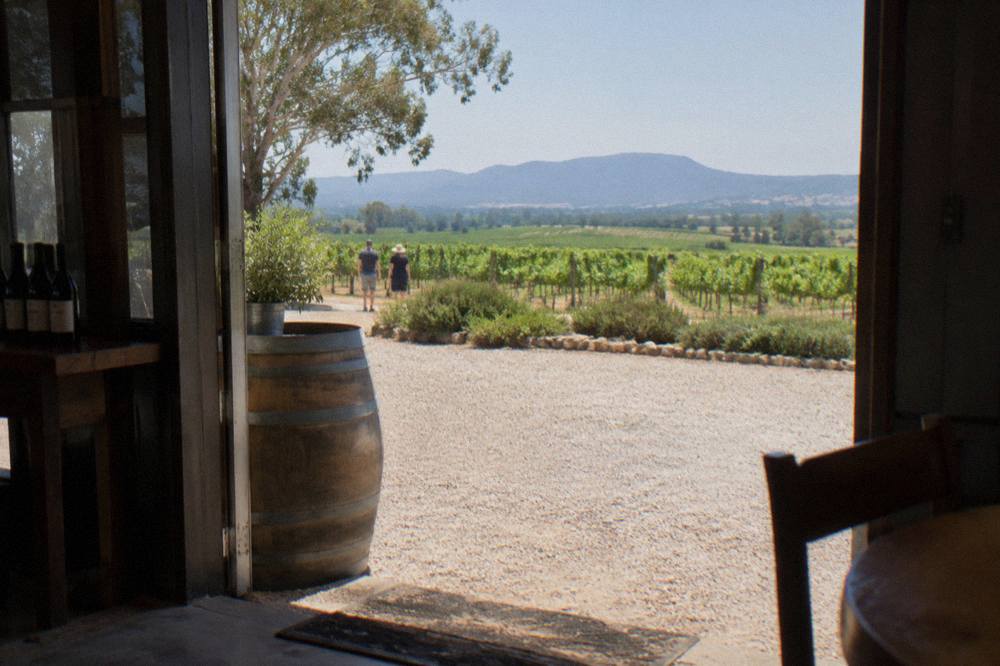
Practicality beats polish here. Dark colours hide the dust that gravel driveways kick up on dry summer days. A hat and sunscreen matter from October to April, because much of a tasting day is spent standing in open ground between venues. If your day includes a food stop, and eight of the eleven Sydney day tours on this site's roster list lunch, an outfit that works at a winery restaurant is simply an outfit that works anywhere casual in regional Australia: neat jeans, a shirt or blouse, a dress with a layer over it.
What Should You Wear In Each Hunter Valley Season?
Summer means loose, light clothing, a hat and sunscreen, with a layer for air conditioning; winter means a proper warm jacket, because July mean minimums sit at 4.2C and many tastings happen in unheated sheds. Autumn and spring are the layers seasons, where mornings start cool and afternoons warm into the mid 20s, so a jumper or light jacket that comes on and off all day is the single most useful item you can pack.
The seasonal pattern is consistent and worth dressing for deliberately. Summer days from December to February average mean maximums of 29.2C to 30.4C, with the heaviest rainfall of the year also landing in these months, so a compact rain jacket earns its place alongside the sunscreen. January is the hottest month on record at the station. Winter flips the problem entirely: June to August mean maximums sit between 17.6C and 19.6C, but mean minimums fall to 4.2C in July, and cellar doors and barrel rooms hold that chill. The Hunter Valley Wine and Tourism Association describes the region's climate as warm and humid with harvest running from around the end of January until March, which tells you summer visitors are also visiting a working farm at its busiest, dustiest time. If this range of conditions has you second-guessing your outfit, our guide to wearing jeans on a wine tour explains how denim handles everything from humid harvest days to chilled barrel rooms.
| Season | Typical conditions | What to wear |
|---|---|---|
| Summer (Dec to Feb) | Mean max 29.2 to 30.4C, heaviest rain of the year | Loose natural fabrics, hat, sunscreen, compact rain layer, light jumper for the coach |
| Autumn (Mar to May) | Mean max falls from 27.4C to 20.7C, vine leaves turn orange-red | Layers: t-shirt plus jumper plus jacket, mornings cool |
| Winter (Jun to Aug) | Mean max 17.6 to 19.6C, mean min down to 4.2C | Warm coat, scarf, closed shoes, extra layer for cellar doors |
| Spring (Sep to Nov) | Mean max climbs from 22.7C to 27.1C, early 20s days | Light layers, jacket for mornings, hat from October |
One seasonal note that surprises first-time visitors: autumn is picture season. The tourism association notes that many vine leaves turn a warm orange-red hue and start dropping off the vines, which makes April the month people most want photos among the rows. If that is you, wear something that contrasts with reds and golds rather than blending into them, and wear shoes that can walk a vineyard edge without sinking, because the best photo spots are rarely on the pavement.
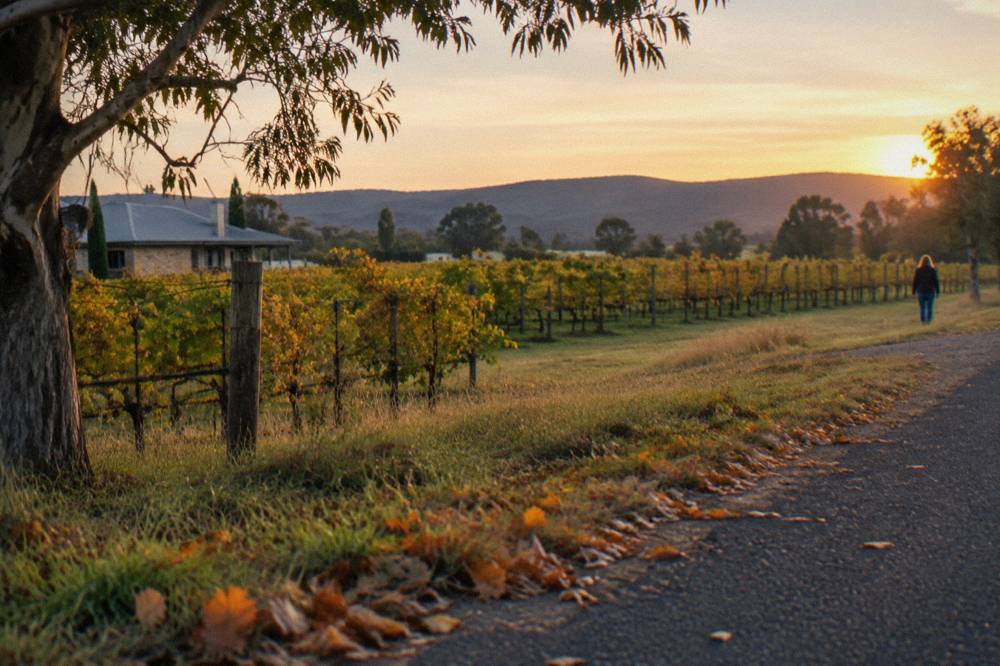
Whatever the season, the tour you choose sets the tone of the day, and the trio below spans the range: a full chef-led day from Sydney with hotel pickup and all meals listed as included, a short three-hour tasting circuit in Pokolbin, and a three-hour horse ride through the vines where the dress question becomes genuinely practical.
Which Shoes Work Best For Cellar Doors And Garden Trails?
Closed, flat shoes with decent grip are the right call for nearly every Hunter Valley wine day. Gravel driveways, grass carparks, garden trails and the odd wet patch between the rows punish heels and smooth soles. If your day includes Hunter Valley Gardens, allow at least two hours of walking on more than eight kilometres of trails, which is a walk, not a stroll, and it deserves walking shoes.
Footwear is where wine region visits differ from city outings. Cellar doors are working buildings on rural blocks. Approaches are commonly gravel, and after summer rain the ground between venues can be soft. Thongs survive a quick tasting but fail on a full day that mixes venues, gardens and a lunch stop. Heels are a known hazard on grass and gravel; if a dressy look matters, low block heels or dressy flats are the workable compromise, and many visitors simply keep the nice shoes for the restaurant and the comfortable ones for everything else.
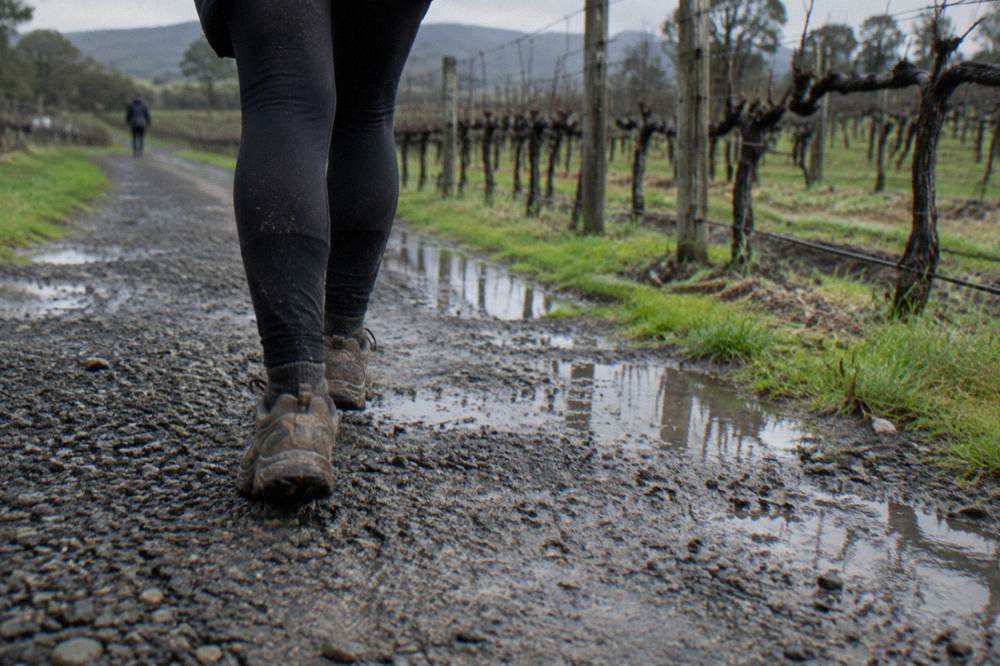
| Part of the day | Surface underfoot | Best footwear |
|---|---|---|
| Cellar door arrivals | Gravel driveways, paved paths | Closed flats, loafers, sneakers |
| Garden and vineyard walks | Grass, dirt edges, 8km plus of garden trails | Walking shoes or light hiking shoes |
| Coach day tour from Sydney | Coach floor, short stops only | Anything comfortable; slip-ons speed up boarding |
| Horse ride tour | Stirrups, farm tracks | Closed shoes with a small heel; avoid smooth soles |
| Restaurant or lunch stop | Indoor flooring | Whatever you wore; the valley is casual |
The tour format matters as much as the ground. A day trip from Sydney such as the Gourmet Getaway chef-led tour keeps you on a defined path from hotel pickup to breakfast, tastings, lunch and home, so one comfortable outfit carries the whole day. A self-driven or valley-based day, where you move between the Two Fat Blokes kitchen, Audrey Wilkinson's cellar door on De Beyers Road and half a dozen stops of your own choosing, puts far more steps on your shoes, and that is before any visit to the gardens. There is a safety angle too for self-drivers: NSW drink driving law sets a zero limit for learners and provisional licence holders and under 0.05 for most full licence holders, and Transport for NSW recommends not drinking at all if you plan to drive, which is a strong argument for letting someone else do the driving whatever you wear.
The Snapshot half day tasting tour is a good example of a valley-based day built entirely around walking between tasting benches: three venues in three hours, wine and cheese, from A$129 per person, meeting on McDonalds Road in Pokolbin. Comfortable closed shoes are all it asks of your feet.
If you are leaning toward a short tasting circuit like that one rather than a full day, this next section answers the question every visitor asks after seeing the temperature table: how hot or cold does the valley actually get, and what does that mean for the bag you pack?
How Cold And Hot Does The Valley Actually Get?
At the Cessnock Airport station beside the vineyards, January's mean maximum is 30.4C and July's mean minimum is 4.2C, a spread that makes the Hunter a layers destination for most of the year. Mean maximums stay at or above 20C from October through April and fall to 17.6C in July, while overnight minimums sit below 10C from April to October. Pack for the season, not for a stereotype of Australian heat.
The month-by-month numbers below come from the Bureau of Meteorology's long-term climate averages for Cessnock Airport, station 061260, which is the closest long-record station to the Pokolbin vineyards and the best proxy for what your wine day will feel like. The full record is published at the Bureau's climate averages page for anyone who wants the raw figures.
| Month | Mean max (C) | Mean min (C) | Mean rain days |
|---|---|---|---|
| January | 30.4 | 17.1 | 6.8 |
| February | 29.3 | 16.9 | 8.1 |
| March | 27.4 | 15.0 | 8.2 |
| April | 24.3 | 10.8 | 5.8 |
| May | 20.7 | 7.6 | 5.3 |
| June | 17.8 | 5.6 | 5.4 |
| July | 17.6 | 4.2 | 4.5 |
| August | 19.6 | 4.7 | 4.6 |
| September | 22.7 | 7.1 | 5.6 |
| October | 25.4 | 10.0 | 6.4 |
| November | 27.1 | 13.1 | 7.1 |
| December | 29.2 | 15.2 | 7.2 |
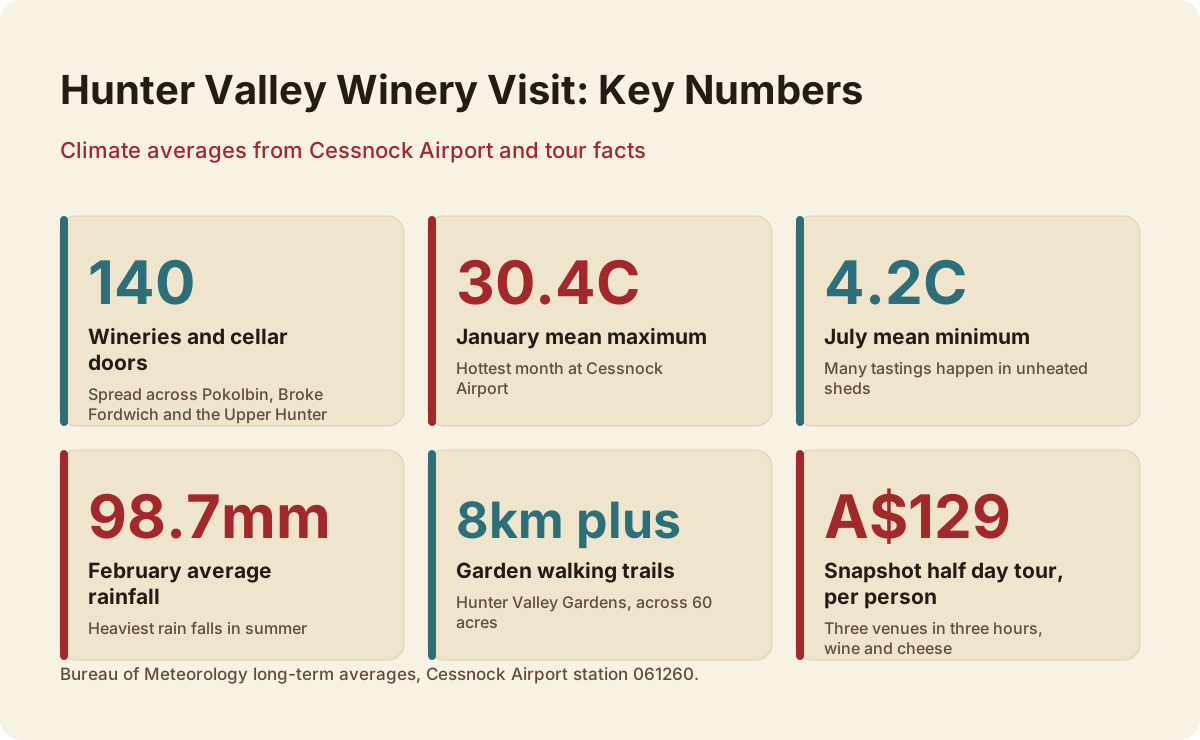
Read the table as a packing instruction. From November to March, plan for heat: light colours, a hat, sunscreen and water. From May to September, plan for cold mornings that warm politely by early afternoon: a proper coat for the 10am tasting, a jumper to shed by 1pm. April and October are the gamble months where a 24C afternoon can start at 11C, and the visitors who complain are almost always the ones in a single layer.
What Should You Wear On A Horse Ride Among The Vines?
For a vineyard horse tour, wear comfortable clothes and closed shoes for the carriage ride, and skip anything loose or flapping. The three-hour Wine and Harvest horse tour from McDonalds Road in Pokolbin mixes riding with wine, cheese and chocolate tastings, so the outfit has to work in a horse-drawn carriage and at a tasting bench, and long trousers plus a firm shoe is the combination that does both.
Horses change the dress question more than any other tour format on this site. Loose scarves and flowing skirts flap and tangle around horses, so save them for the cellar door. A horse-drawn carriage still calls for practical clothes: long pants and flat, closed shoes with decent grip will serve you best over three hours of paddocks and vine rows. Sun protection matters even more than at a cellar door, because you are outdoors in open country for the whole session, and a small day pack or a secure pocket works better than a handbag, which has nowhere to live in a horse-drawn carriage. Reviews for the horse tour sit at 4.8 from 197 reviews, and the format is listed for up to 42 travellers, so it is a social, outdoor occasion rather than a private trail ride.
The horse tour itself runs from behind the Wine House at 426 McDonalds Road in Pokolbin, from A$159 per person, and it is one of the few products on this site where the wrong shoes genuinely change the experience rather than just the comfort level.
What Should You Wear On A Day Tour From Sydney?
For a Sydney day tour, dress for one long, comfortable day: nine to twelve hours door to door, a two-hour coach drive each way, air conditioning, three or more cellar doors and usually lunch. Neat casual clothes, closed comfortable shoes and a jumper within reach cover every Sydney departure tour on this site. You board in the outfit you wear all day, so make it one that survives a coach seat and a lawn.
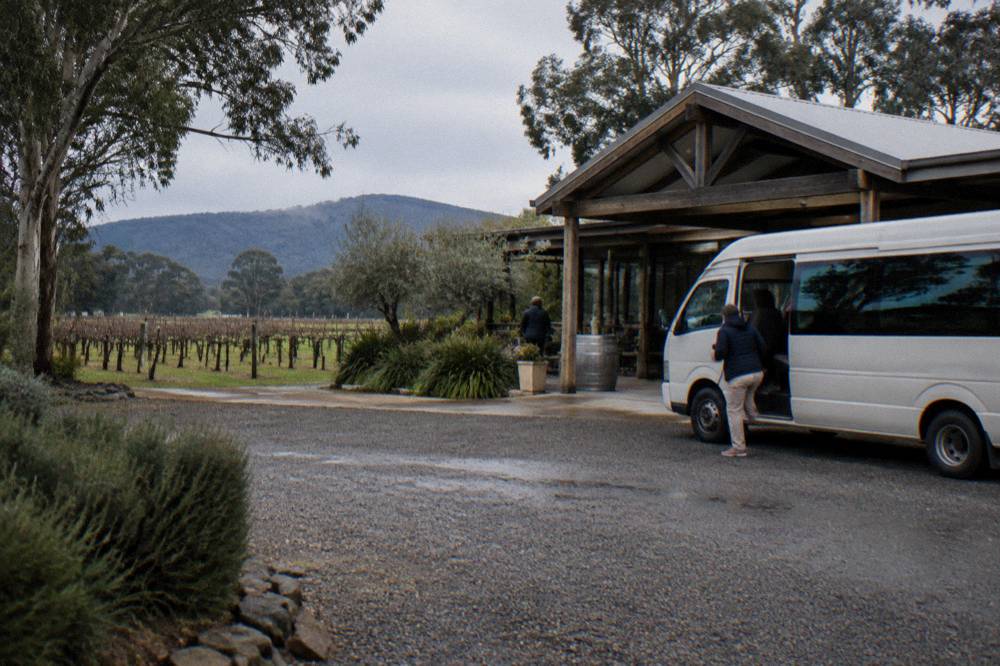
The rhythm of a Sydney day trip rewards simplicity. You leave early, often around 7.40am to 8.00am from central meeting points such as the Central Station forecourt or Pitt Street, which means a cool morning start even in warmer months. The coach is air conditioned. Midday is outdoors at cellar doors, and by the drive home you will be tired and glad of soft shoes. Visitors who overdress for a day trip, in stiff fabrics or fresh heels, are the ones who look uncomfortable by the third winery.
The Gourmet Getaway chef-led day from Sydney, rated 5.0 from 792 reviews and listing selected-hotel pickup and drop-off, breakfast, lunch and snacks, is the format where the least packing thought is needed: everything from the meal to the movement is arranged, at from A$277 per person. If your Sydney day is instead the Colourful Collective coach, Dave's small group tour or the Brighton lunch and chocolate tour, the same clothing advice holds, because the underlying shape of the day, a long drive, several stops and a food break, is shared across the roster. Free cancellation is listed on the Sydney day tours, so a weather-driven wardrobe rethink is not a crisis.
Do Hunter Valley Wineries Have Dress Codes?
No winery, cellar door or tour listing covered by this site publishes a dress code you must meet, and the region's tourism body markets the Hunter as a relaxed gourmet getaway rather than a formal one. The only real rules are practical and legal: shoes that handle gravel, layers for cool rooms, and, if you are driving, NSW blood alcohol limits of under 0.05 for full licence holders and zero for learners and provisional drivers.
Etiquette in the valley is about behaviour more than clothing, and our guide to Hunter Valley winery etiquette covers the tasting-room manners side. On dress, the honest answer is that the region spans everything from a A$39 forty-five minute cheese and wine tasting at the Two Fat Blokes kitchen in Pokolbin to a A$1,099 per person private luxury day with lunch, and the clothing norm barely shifts between them. Smart casual is the ceiling, not the floor. What changes with price is the inclusions, not the dress expectation.
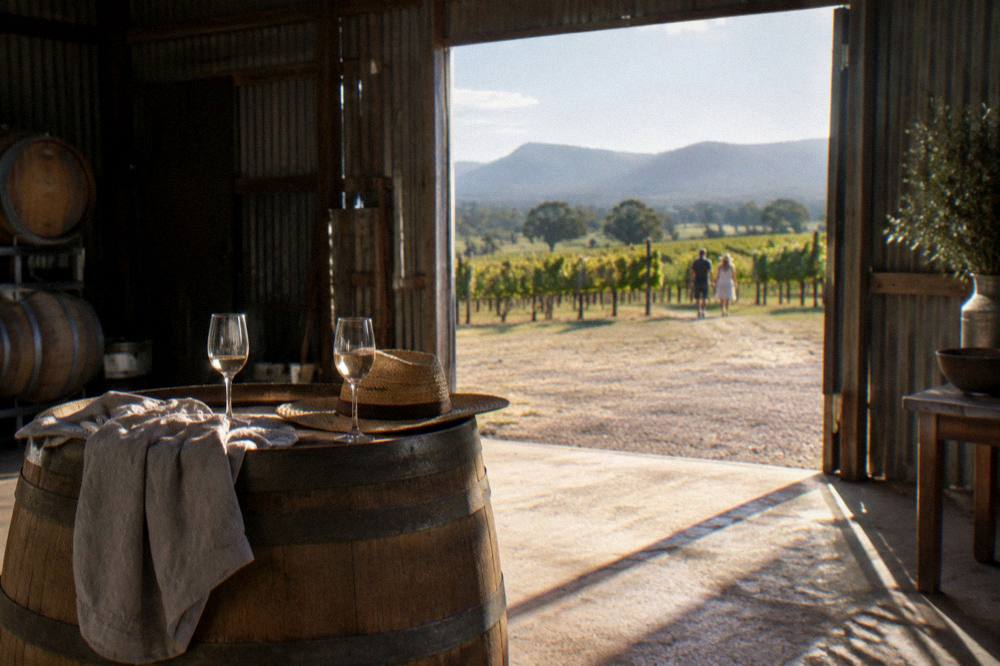
A few special cases are worth naming. A morning or afternoon balloon flight, such as the midweek sunrise flight that includes breakfast, calls for the warmest casual layers you own, sturdy shoes for a landing field, and a hat, because balloon burners radiate heat upwards; weather can cancel flights, so keep the receipt logic simple and check the operator's policy. The picnic and tasting experience at Audrey Wilkinson Vineyard, from A$95 per person, means sitting on a vineyard lawn, so pick clothes that can sit on grass. And if your day pairs wine with the horse ride or a garden visit, this overview of things to do in the Hunter Valley helps you plan the sequence, because the right outfit for a full day differs from the right outfit for a single tasting. Visitors staying in the valley rather than day-tripping can also consider an area guide to where to stay, since a Pokolbin base turns a wardrobe into a car-boot decision rather than a packing limit. For a broader look at the dress question, Hunter Valley Winery Tours keeps this guide alongside the rest of its planning coverage.
One point this site returns to often, because it matters: the cellar door experiences at A$39 to A$95 include no transport, and the driver of a self-drive car is held to under 0.05 blood alcohol in NSW, with a zero limit for learner, P1 and P2 drivers and visitors on equivalent overseas or interstate licences. If tasting is the point of your day, a driven tour is the natural pairing, and the region's official Know Before You Go guide from the Hunter Valley Wine and Tourism Association says the same thing about touring by vehicle. That is the real reason comfort dressing wins over dressing up: the people having the best Hunter Valley days are the ones whose clothes let them forget about clothes.
Whatever you choose to wear, the right tour makes the outfit work harder, and the three below cover the three most common days: the fully catered chef-led Sydney departure, the short Pokolbin tasting circuit, and the horse-drawn carriage tour for visitors who want the vines from a carriage seat.
Common Questions About What To Wear To A Winery
What To Wear To A Hunter Valley Winery Or Wine Tour?
Relaxed smart-casual clothes with closed, flat shoes. Dress in layers for the temperature gap between outdoors, cool cellar doors and air conditioned coaches, and add a hat and sunscreen from October to April. Season matters most: January mean maximums hit 30.4C and July mean minimums fall to 4.2C at Cessnock.
Can You Wear Jeans On A Wine Tour?
Yes. Neat jeans are common on every tour format on this site, from coach day trips to small group valley tours and the horse ride, where long pants are actually the recommended choice. Our longer answer on jeans on a wine tour covers the details.
Are Heels OK At A Hunter Valley Cellar Door?
Technically nothing stops you, but gravel driveways, grass carparks and garden trails make heels impractical on most wine days. Low block heels or dressy flats are the usual compromise, and many visitors keep smarter shoes only for the lunch stop.
What Should I Wear On A Hot Air Balloon Morning?
Warm casual layers, sturdy flat shoes and a hat. Balloon flights launch at sunrise when ground temperatures are at their lowest, even in spring and autumn, and landings happen in open fields. Weather can cancel flights, so check the operator's cancellation terms before booking.
Do I Need Different Clothes For A Winter Wine Tour?
Yes, a real coat. July mean minimums sit at 4.2C and cellar doors hold the chill, while afternoons still reach a mean maximum of 17.6C. A warm outer layer plus a jumper you can remove indoors covers the whole day.
Is There A Dress Code For Lunch On A Wine Tour?
No. The lunch venues on the tours this site covers, from lakeside lunches to grazing boxes and two-course restaurant meals, are casual by city standards. Neat casual dress fits every one of them, and eight of the eleven Sydney day tours list lunch as included.