What Are Some Good Outfits For Ladies To Wear To A Winery?
Season-by-season outfit guidance for women visiting Hunter Valley cellar doors, from January heat to July frosts, with shoe, bag and dawn-balloon advice for a tasting day.
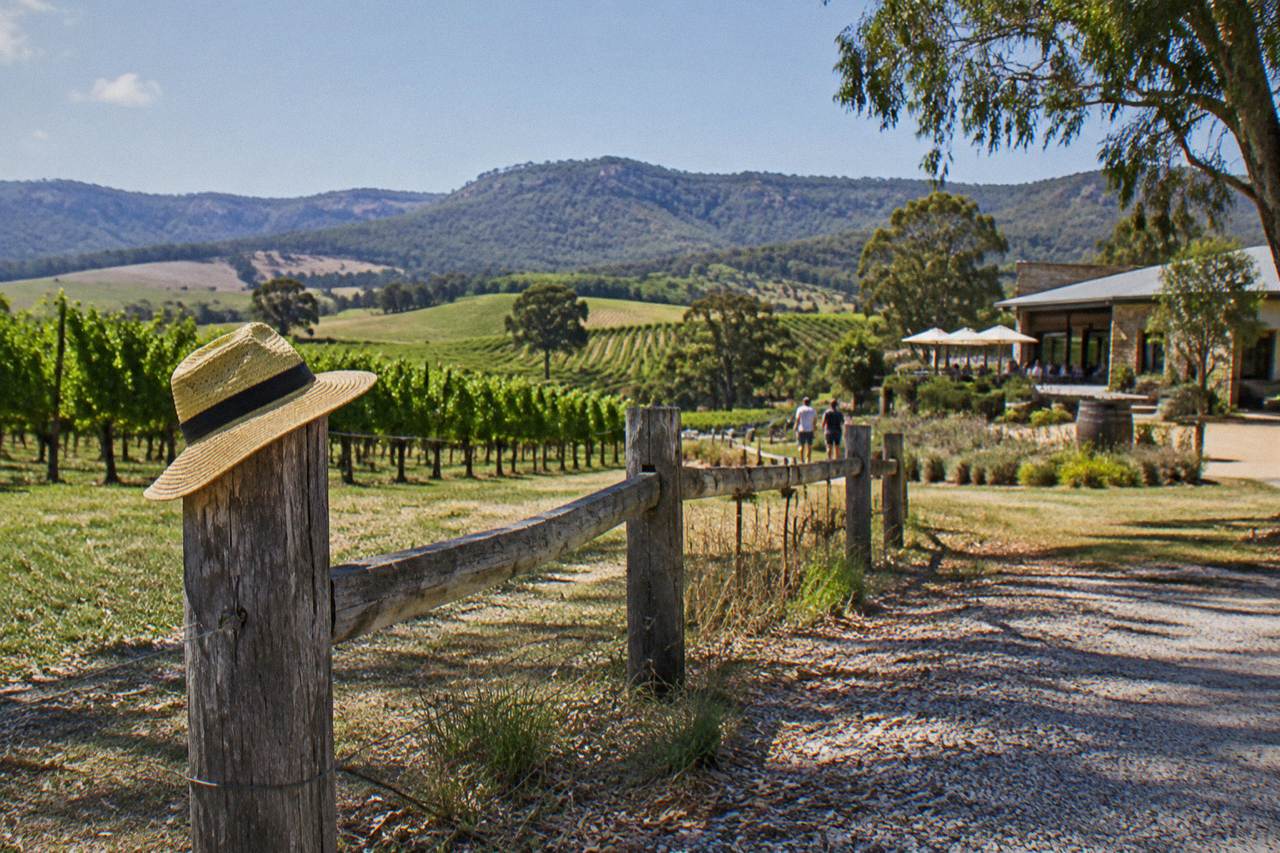
Dressing for a winery day in the Hunter Valley is less about a dress code and more about weather arithmetic. The region's own tourism body describes a climate where summer days sit between 28 and 30 degrees and winter days between 16 and 18, dipping to overnight lows of 2 to 4, so an outfit that works at a Pokolbin cellar door at noon can feel thin by the time an evening tasting finishes. Add the practical realities of a tasting day: gravel car parks, grassy picnic lawns, cellar doors that are not within walking distance of each other, and a coach seat or minivan ride of an hour or more, and the picture of what to wear sharpens quickly. Once the outfit question is settled, the next decision is how you'll move between cellar doors, and the guide to the best Hunter Valley winery tours ranks the options by what you taste, where you start and what each listing really promises.
This guide works through outfits for each season using the Bureau of Meteorology's long-term averages for the Cessnock weather station, which sits right beside the vineyards. It also covers shoes, bags and the special case of a dawn hot air balloon flight, and it points to the tours where each outfit choice matters most, from the Colourful Collective coach to the Audrey Wilkinson picnic on the vineyard lawn. If you want the broader etiquette picture, the companion piece on cellar door manners and tasting etiquette covers how to taste, spit and queue; this one is purely about the wardrobe.
What Are Some Good Outfits For Ladies To Wear To A Winery?
The safest formula for a Hunter Valley winery day is a breathable midi or knee-length dress, or tailored shorts with a light top, paired with flat closed-toe shoes, a crossbody bag and one extra layer for the cellar door's air conditioning and the drive home. In winter, swap the dress for dark jeans or trousers, add a knit and a proper coat, and keep the same flat shoes. Avoid stilettos on grass and gravel, avoid huge tote bags on crowded tasting benches, and always bring one layer more than the forecast suggests, because valley temperatures fall faster than Sydney's once the sun drops behind the ranges. Once your outfit is sorted, our guide to the Hunter's most picturesque winery picks the cellar doors worth dressing up for.
No Hunter Valley cellar door enforces a formal dress code, and nothing on the region's official visitor information suggests one. The dress-up impulse comes from the setting: estate driveways, sandstone cellars and vineyard vistas make jeans-and-thongs feel underdressed to many visitors, even though plenty of locals taste in exactly that. The middle path, neat-casual, is what nearly every outfit question here resolves to.
The other driver is photography. A winery day produces more photos than almost any other day trip, and solid colours, small prints and structured shapes read better against vine rows than busy florals or logo-heavy pieces. That is a style observation, not a rule, but it is the reason midi dresses in linen or cotton pop up in almost every answer below.
One practical note before the seasons: whichever tour you choose, you will be getting in and out of a vehicle repeatedly. On the Gourmet Getaway chef-led day, breakfast is served on board, so an outfit you can sit and eat in comfortably beats anything restrictive. On big coach days like the Colourful Collective full-day tour, you also share armrests with up to a few dozen others, which is another quiet argument for soft, unstarched fabrics.
What Outfits Work For Each Hunter Valley Season?
Dress for the season you are actually visiting: light natural fabrics, a sun hat and flat sandals from December to February, long sleeves and a light jacket for autumn's mild days, a warm coat plus knit layers from June to August, and a windproof layer with a sweater for spring's changeable days. The Cessnock averages make the case plainly: January's mean maximum is 30.4 degrees with nights around 17.1, while July's mean maximum is just 17.6 with nights averaging 4.2. April sits between the two at a mean maximum of 24.3 and a minimum of 10.8, and October reaches a comfortable 25.4 by day but only 13.1 overnight.
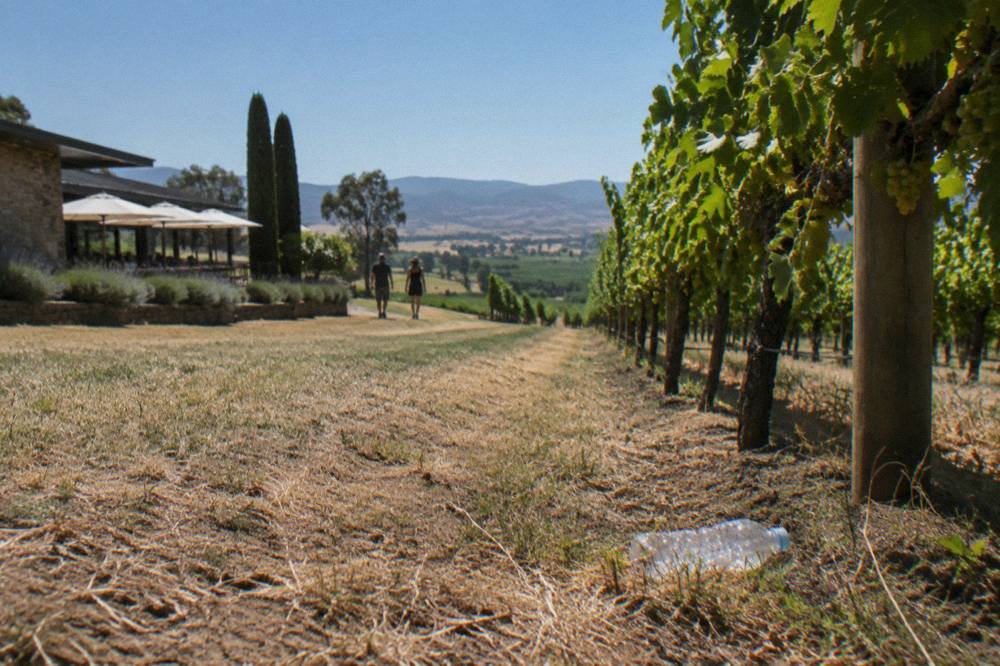
Summer is the season that punishes the wrong outfit fastest. A linen midi dress or a cotton shirt-dress in a light colour, with flat leather sandals and a wide-brim hat, handles a 30-degree tasting day well; the same day in dark skinny jeans and synthetic fabric becomes a long one by the second cellar door. The official climate guidance notes that the heaviest rainfall falls in summer too, with February averaging 98.7 millimetres, so a compact umbrella earns its place in the bag from December through March.
Autumn, March to May, is the valley's most forgiving wardrobe window and its most photographed, when the region's own visitor site notes the vine leaves turn warm orange-red. Mean maximums slide from 27.4 in March to 20.7 in May, and a light jacket or blazer over a long-sleeve dress covers the whole range. Ankle boots appear everywhere in autumn, and they are practical as well as seasonal, since the ground around cellar doors is often dry gravel by then.
| Season | Months | Typical day and night (mean) | Outfit that works | Key extras |
|---|---|---|---|---|
| Summer | Dec to Feb | 25.4 to 30.4 by day, 15.2 to 17.1 at night | Linen or cotton midi dress, or shorts and a breathable top, with flat sandals | Sun hat, sunglasses, compact umbrella |
| Autumn | Mar to May | 20.7 to 27.4 by day, 7.6 to 15.0 at night | Long-sleeve dress or jeans with a knit, ankle boots, light jacket | Scarf for evening tastings |
| Winter | Jun to Aug | 17.6 to 19.6 by day, 4.2 to 5.6 at night | Dark jeans or trousers, warm knit, wool coat, closed shoes | Gloves for outdoor tastings, beanie for dusk |
| Spring | Sep to Nov | 22.7 to 27.1 by day, 7.1 to 13.1 at night | Layers: tee, cardigan, windproof jacket, trainers or boots | Layer you can tie around the waist |
Winter deserves a special word because visitors consistently underestimate it. July's mean overnight minimum of 4.2 means a 5pm departure from a Pokolbin cellar door happens in genuinely cold air, and several winter tours return to Sydney after dark. A wool coat over a fine-knit dress with tights and boots is the classic winter winery outfit here, and it travels well on a heated coach. Dave's small group tours, which include a relaxed one-course lunch with wine or beer and a behind-the-scenes winery production walk, are exactly the sort of winter day where a coat you can shed indoors and shrug back on for the barrel hall pays off.
Spring is the trickiest season to pack for because a single day can move ten degrees. The Bureau's averages show October nights at 13.1 rising to days of 25.4, so the winning strategy is three light layers rather than one heavy one. This is also the season of the spring events calendar: the Balloon Aloft Hunter Valley Fiesta ran across the first October long weekend and the gardens host their spring flowers, so spring visitors often dress one notch brighter for the crowds.
If you are still choosing which day out to dress for, these three cover the outfit spectrum from coach comfort to a long valley lunch.
Which Shoes And Bag Should You Carry On A Tasting Day?
Flat, closed-toe shoes with grip, such as ankle boots, loafers, clean trainers or flat sandals with a back strap, are the right footwear for Hunter Valley cellar doors, and a small crossbody bag or a medium tote that closes beats a large open tote on a tasting bench. The reason is terrain: the regional tourism association states plainly that cellar doors are not within walking distance of each other and travel between them is best by vehicle, and between vehicles you cross gravel driveways, grass verges and, after rain, soft ground that swallows slim heels. Shoes aside, the Hunter Valley winery wardrobe mistakes guide covers the colours, fragrances and weather choices that also trip visitors up at cellar doors.
Heels are not banned, they are just impractical. A block heel of four centimetres or less manages most concrete and paver areas, but anything narrower turns a vineyard lawn into an aerobic exercise. That matters on specific products: the Audrey Wilkinson picnic experience includes a packed hamper taken onto the vineyard grounds, and the horse ride along the Pokolbin trails is, naturally, a closed-shoe activity from start to finish.
Bag choice is the quiet etiquette decision of the day. A tasting bench is narrow, and a bulky open tote claims space other guests need, spills into the spit bucket zone and tempts disaster near glassware. A crossbody bag that sits at your hip, or a small satchel you can hang on a chair back, keeps your hands free for the glass and the tasting notes. What goes in it: sunglasses, sunscreen, a compact umbrella in the warmer months, a water bottle, and a light layer.
Should You Dress Up Or Dress Down For A Winery Lunch?
Neat-casual is the correct register for a Hunter Valley lunch: a step above what you would wear to a beach cafe, a step below cocktail attire, so a sundress and sandals, or tailored shorts with a blouse and loafers, all fit. If your day includes a long, seated lunch rather than grab-and-go tastings, dressing up slightly is worthwhile, because several venues on the tour roster describe proper restaurant settings: the Award Winning full day wine and food experience builds in a casual restaurant lunch with a glass of wine, the boutique tours include a lakeside lunch, and the premium Colourful Collective tour lists a two-course lunch at a Hunter Valley venue.
The distinction that matters is seated restaurant versus picnic or grazing box. For the latter, the Uncork the Hunter full day, which collects from valley accommodation and includes a gourmet grazing box, and the Audrey Wilkinson picnic hamper experience are lawn-and-hamper affairs where flat shoes and a washable dress fabric genuinely outperform silk. For a seated two-course lunch, you can happily wear the outfit you would choose for a nice city bistro.
Colour advice follows the same logic as photography: deep reds, forest greens, creams and earth tones sit beautifully against vine rows in every season. Pure white is popular in summer photos but is a riskier choice at a tasting bench where red wine is being swirled by strangers on both sides of you. That is a laundry observation rather than a rule, but it is one that saves outfits.
One more lunch-specific tip: check what your tour actually includes before you plan around it. Of the eleven Sydney day trips on this site's roster, eight list lunch as included and three do not, including the Colourful Collective full-day coach tour, where lunch is not included and you buy at a venue. An outfit with a pocket or bag room for a card matters more on the days where you are purchasing your own meal and drinks.
What Should You Wear For A Dawn Balloon Flight Or Early Start?
For a dawn hot air balloon flight in the Hunter Valley, dress as if for a winter morning regardless of season: long trousers, closed flat shoes, a warm jacket, and a hat or beanie, because flights launch at sunrise when the air is at its coldest and the burner's heat does not reach your legs. The valley's July mean minimum of 4.2 is the extreme case, but even in January the overnight average only reaches 17.1, and standing in an open basket before 6am feels several degrees colder than the tarmac temperature because of the early breeze and the still air you rise into.
The practical details are straightforward. Trousers beat dresses outright in a basket, since you step over the edge to board, and closed shoes protect your feet from the warmth radiating off the burner and from the landing field, which may be cropped paddock rather than lawn. Layers you can remove are ideal because within an hour of landing the morning warms quickly, and most flight packages end with breakfast indoors.
The balloon product on this site's roster is the midweek hot air balloon flight, a five-hour experience from A$279 per person that includes breakfast and carries a maximum of 24 travellers, meeting at Pokolbin before dawn. Two outfit-relevant facts about it: it is a midweek-only product, and its listing does not carry free cancellation, so if you are dressing the night before and the forecast looks marginal, know that weather calls sit with the operator. This is a general cue rather than a promise; conditions decide flights, and no article should imply otherwise.
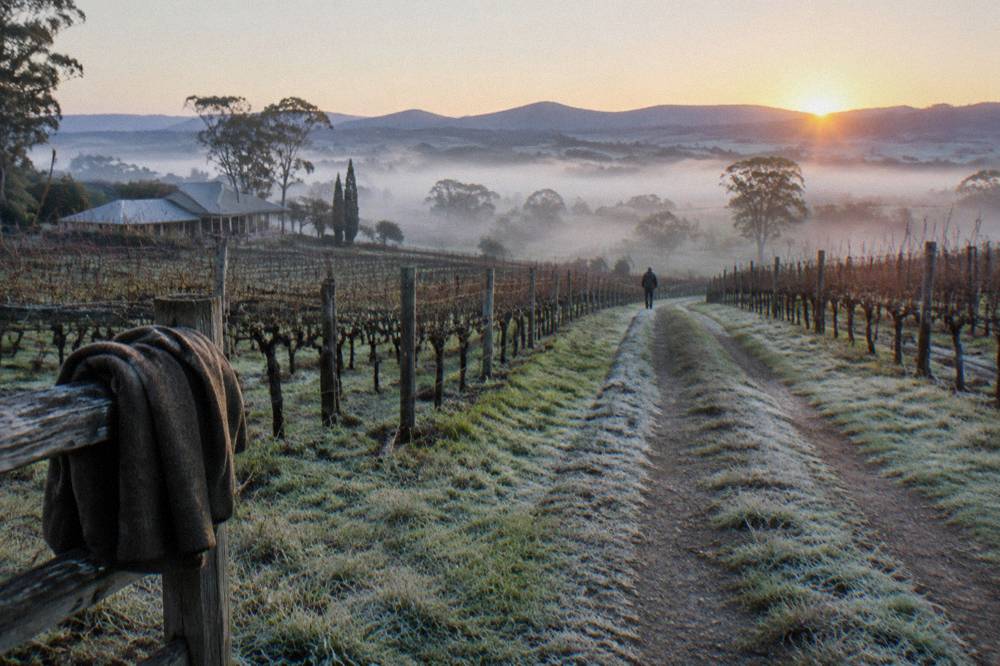
Early starts apply to the coach tours too, and they shape the outfit day as much as the balloon does. Most Sydney day trips run 9 to 12 hours door to door, meeting at central points such as Haymarket and Central Station between about 7.15am and 8am. That means your outfit starts its day on a possibly chilly city footpath at dawn, spends the middle of the day in the valley's warmth, and finishes on the same footpath after dark. The three-layer spring strategy, a tee, a cardigan and a jacket, is effectively the year-round solution for that schedule.
After the balloon comes the rest of the day, and many visitors pair a flight with a tasting tour, since the flights include no wine-tour transport. The iHop Tastes of the Hunter tour is a natural afternoon pairing: it runs three hours from A$146 per person, collects from Hunter Valley hotels, and packs wine, spirits, cheese and chocolate tastings into a small group capped at 11.
How Do Outfits Change For Different Tour Formats?
Match the outfit to the format: coach days favour comfortable, crease-resistant layers and easy shoes; small-group minibus days allow slightly smarter dressing; private tours and cellar-door-only experiences let you wear whatever you like; and horse rides demand long trousers and closed boots. The vehicle, the group size and the walking between them do more to shape the right outfit than the wineries themselves do.
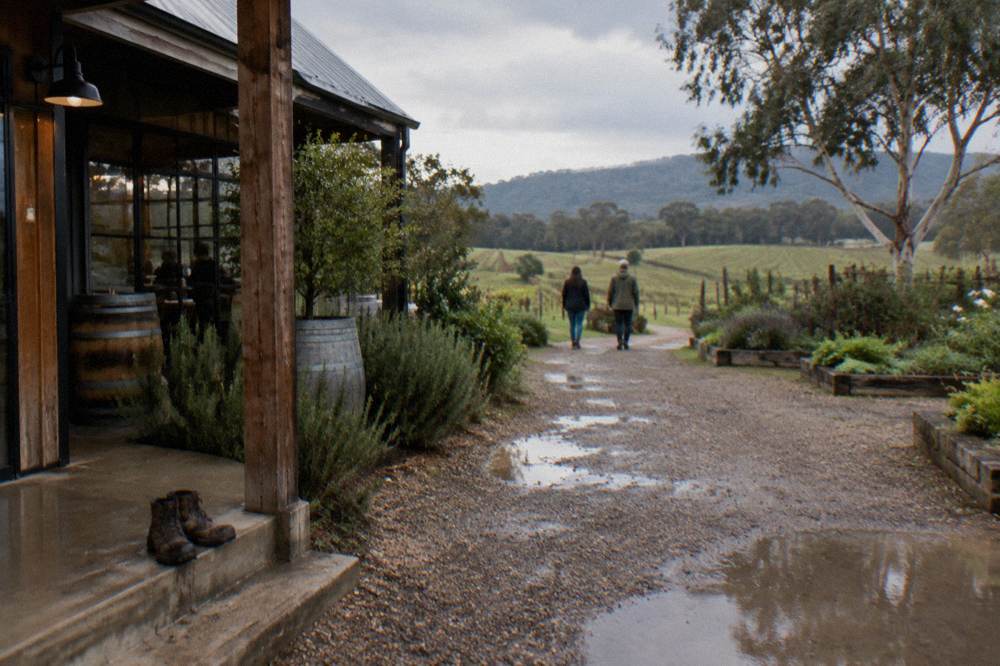
Coach days, such as the Brighton wine tasting tour with its two-course lunch and maximum of 30 travellers, reward outfits that survive a seated hour comfortably: soft waistbands, a layer for the air conditioning, and shoes you can slip on and off for the drive if you like. Small-group days in vans, like the Kangarrific wildlife and wine tour capped at 11 travellers, involve more clambering in and out at stops, including a wildlife park where walking shoes matter and the A$15 tasting fees and A$70 park entry are paid on the day, so bag space for those extras counts too.
| Tour format | Typical roster example | Outfit priority | Footwear |
|---|---|---|---|
| Large coach day from Sydney | Colourful Collective full day, A$218 | Crease-resistant layers, comfort for a long drive | Trainers or flat slip-ons |
| Small-group minibus | Kangarrific wildlife and wine, A$125 plus fees | Layers, sun protection, room for extras in the bag | Trainers |
| Valley half day with hotel pickup | iHop Tastes of the Hunter, A$146 | Neat-casual, light layer | Flats or ankle boots |
| Cellar-door tasting, no transport | Two Fat Blokes cheese and wine, A$39 | Whatever you like; it is 45 minutes at a kitchen bench | Anything |
| Horse ride and tastings | Wine and Harvest horse tour, A$159 | Long trousers, comfortable top | Closed boots |
| Dawn balloon flight | Midweek balloon flight, A$279 | Warm layers, trousers, hat | Closed flat shoes |
The cellar-door-only experiences are the outfit wildcard. The Two Fat Blokes cheese and wine tasting at Pokolbin is a 45-minute seated experience from A$39 per person with no transport, so if you are staying nearby you can genuinely wander over in resort wear. The Audrey Wilkinson fromage and fortified wine experience, at one hour and capped at eight guests, is similar. These are the moments a dress-and-sandals photo outfit works perfectly, because there is no gravel trek and no long drive home in the heat.
Private tours sit at the dressed-up end by choice rather than necessity. The Heart of Hunter private full-day tour prices the whole vehicle at A$495 per group for six to seven hours, and tasting fees are paid at the cellar doors; with only your own party aboard, the outfit question is entirely yours to answer. The site's private Hunter Valley wine tour guide covers those options in detail.
What Fabric And Practical Details Matter Most?
The details that matter most are natural, breathable fabrics for summer, dark and warm fabrics for winter, a hat in every season, and one foldable layer that fits in your bag. Get these four right, and your clothing will adapt to whatever a Hunter Valley tasting day brings. Beyond the broad strokes, three specifics earn their place on the checklist. First, NSW drink driving law means your designated driver must stay genuinely under the limit, in fact at zero for learner and provisional licence holders, and Transport for NSW recommends not drinking at all if you plan to drive, so a visitor who intends to taste freely should be dressed for a tour vehicle, not a self-drive day; the official guidance on alcohol and driving spells out the three limits.
Second, the sun is a real factor in every season here: the January mean maximum of 30.4 comes with high UV, and even July's 17.6-degree days burn unprotected skin on a four-hour outdoor itinerary. A wide-brim hat rather than a cap, sunscreen reapplied at lunch, and sunglasses live in the bag year-round. The regional visitor information notes kangaroos are often sighted in open areas at dusk, and dusk in every season is also low-sun driving time, so a hat that packs flat and sunglasses that are actually with you, not in the car, both get used.
Third, think about the day's full arc before you commit to an outfit. A Sydney day trip leaves around 7.30am and returns around 7pm, a valley full day with pickup runs about seven hours from mid-morning, and a half day can be as short as three hours from a Pokolbin meeting point. The half-day Hunter Valley wine tours guide shows which of those fit a resort-wear morning and which need a full day's kit. An outfit planned for the longest version of your day, with layers shed as it warms, never leaves you borrowing a winery blanket at the final tasting.
For a fuller run of what a tasting day holds, the Hunter Valley wine tasting tours guide lays out the formats, and this site, Hunter Valley Winery Tours, keeps the full roster with verified prices for each of them. The Bureau's long-term Cessnock figures underpinning every temperature in this article are published on the Bureau of Meteorology climate averages page for station 061260, and the region's own seasonal notes, including that harvest runs from around the end of January until March, are on the Hunter Valley Wine Country weather and climate page.
Wherever your outfit lands between resort casual and full glam, these three days are the ones most worth dressing for.
Common Questions About Winery Outfits For Ladies
What Are Some Good Outfits For Ladies To Wear To A Winery?
A breathable midi or knee-length dress with flat shoes and one layer, in summer fabrics from December to February and a knit, coat and boots from June to August. Neat-casual is the register: nothing requires formal dress, but neat-casual fits both the setting and the photos, and flat closed-toe shoes handle the gravel and grass between cellar doors.
Can you wear jeans to a winery?
Yes. Dark, well-fitting jeans with a nice top and boots or loafers are a standard winter winery outfit in the Hunter Valley, and the sister article on this site, can you wear jeans on a wine tour, covers the details. Light-coloured or ripped jeans read more casual than the setting usually calls for, but there is no rule against them.
Are heels okay at Hunter Valley cellar doors?
They are physically possible but impractical. Cellar doors sit on gravel driveways, lawns and unpaved verges, and slim heels sink. A low block heel of four centimetres or less manages paved areas; for picnic experiences such as the Audrey Wilkinson hamper on the vineyard grounds, flat shoes are the better choice.
What should I wear on a hot summer tasting day?
Lightweight natural fabrics in light colours, a midi length or tailored shorts, flat sandals, a wide-brim hat and sunscreen. January averages a 30.4-degree maximum, so anything synthetic or tight becomes uncomfortable by the second cellar door, and a compact umbrella is worth carrying because February is the wettest month on the Cessnock averages.
What do you wear on a hot air balloon morning?
Long trousers, closed flat shoes, a warm jacket and a beanie, in any season. Flights launch before sunrise when the air is at its coldest, the basket floor stays cool, and the paddock you land in is rarely lawn. Layers you can shed work best, because within an hour of landing the day warms quickly and breakfast is usually served indoors.
How big should your bag be for a wine tour?
Small to medium, and closable. A crossbody bag that sits at your hip or a satchel that hangs on a chair keeps your hands free at the tasting bench and stops your bag claiming space other guests need. Leave room for the layer you will shed at midday and, on tours where lunch or fees are not included, your own spending.