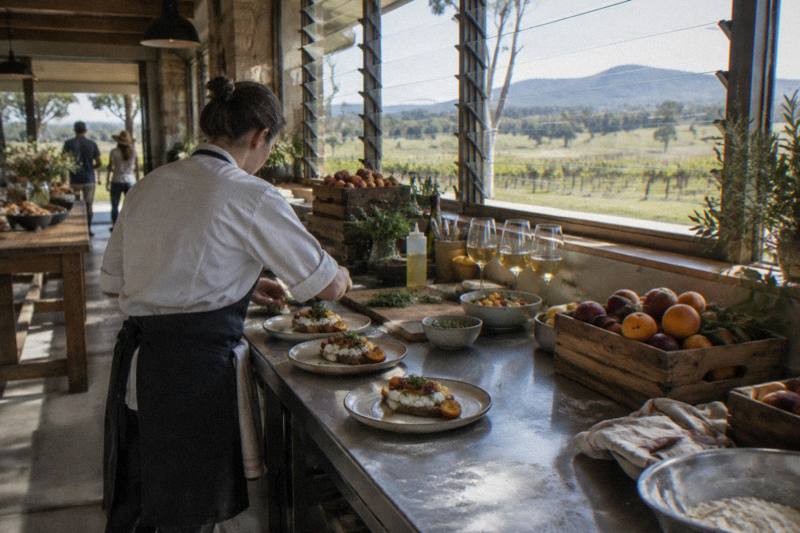
What Is The Most Famous Wine From The Hunter Valley?
Hunter Valley Semillon is the wine that made the region famous, with Shiraz a close second. Here is what each signature style tastes like and how to taste it well.
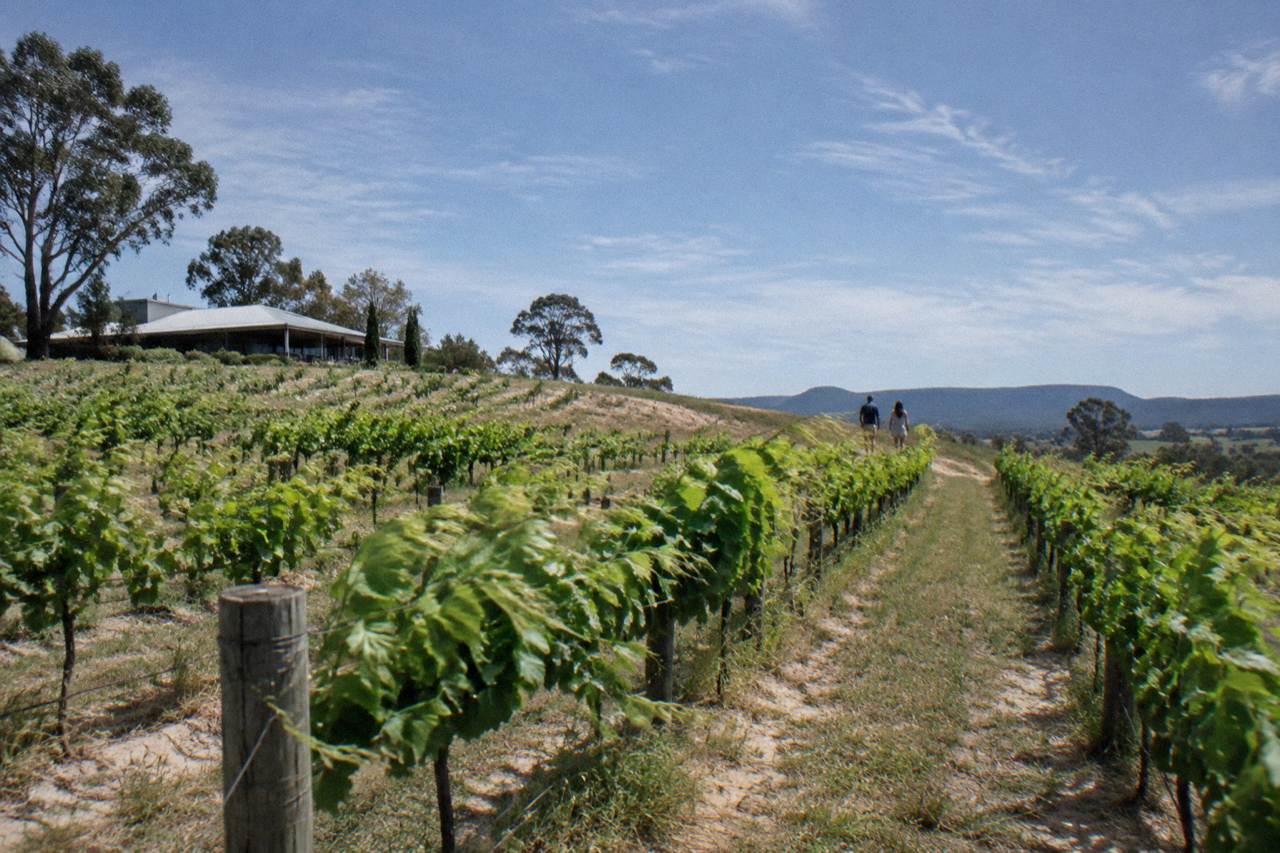
Semillon is the short answer to this question, and the reasons run deeper than habit. The Hunter Valley is Australia's oldest premium wine region, with its first small vineyard plots planted along the Hunter River in the early 1820s, and over the two centuries since it has built its reputation on a handful of grapes it renders unlike anyone else. The region's own association describes Semillon and Shiraz as its most iconic wines, with Chardonnay and Verdelho filling out the core list. Wine Australia counts 2,605 hectares of vineyard across the zone, and the two signature varieties sit at the heart of it. This article walks through what each style actually tastes like, why the Hunter versions behave differently from the same grapes grown elsewhere, and how a visitor can taste them without needing a car at the end of the day. Once you know which styles to seek out, the next question is where to taste them, and our guide to the Hunter Valley's most famous winery introduces the estates with the deepest ties to those earliest vines.
What Is The Most Famous Wine From The Hunter Valley?
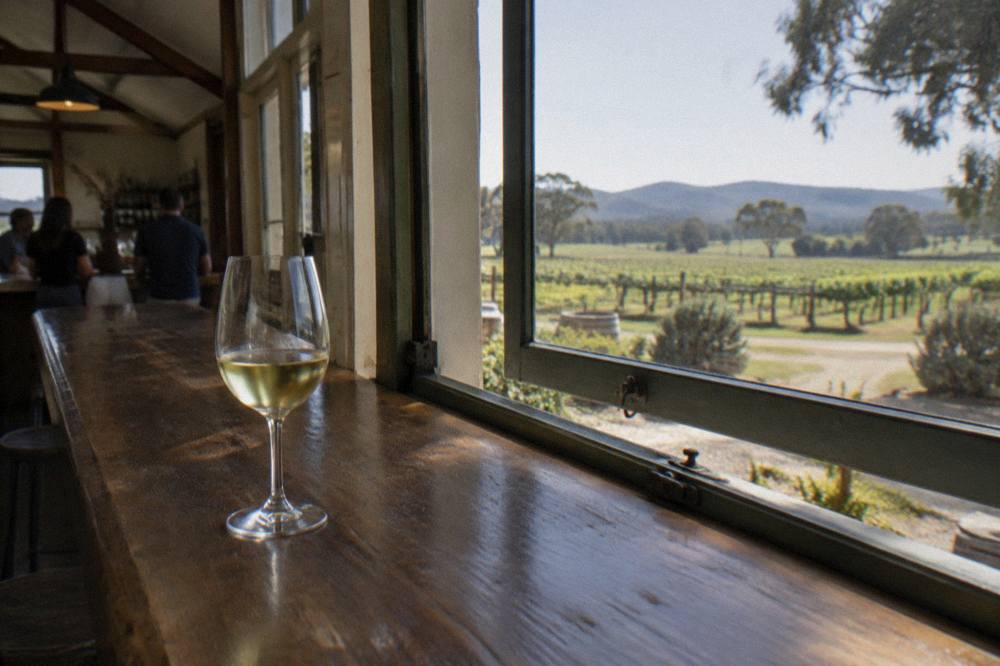
The most famous wine from the Hunter Valley is Semillon, a crisp, lemon-and-lime white unique to the region in style, with medium-bodied, savoury Shiraz as the close second signature. Chardonnay and Verdelho round out the core varieties. Wine Australia records Semillon and Shiraz as the leading plantings in a zone of 2,605 hectares under vine.
Semillon earned that status partly through scarcity. Plenty of Australian regions grow Shiraz and Chardonnay at scale; the Barossa, McLaren Vale and the Yarra Valley all do it superbly. But Hunter Valley Semillon is a category of one. It is picked early at modest sugar levels, fermented bone dry without oak, and bottled as a delicate, low-alcohol white that almost nobody would guess can live for a decade or two. The trick is that the wine starts tight and citrusy and unwinds slowly, so a bottle that tastes of lemon and lime at two years old tastes of honey and toast at ten. Very few white wines anywhere in the world do this without sweetness or oak to carry them.
Shiraz is the region's other claim to fame, and its profile is just as distinctive. Where warm-climate Australian Shiraz tends toward rich fruit and big alcohol, Hunter Shiraz is medium bodied, savoury and built for the table. The region's humid, warm climate keeps the wines lighter in body than most people expect from Australian Shiraz, which is exactly why sommeliers keep cellars of it.
The fame is measurable in the numbers too. The Hunter Valley recorded 8.6 million day-trip visitors in the year ending March 2026, making it New South Wales' top day-trip destination, ahead of both the North Coast and the South Coast, according to Destination NSW figures released in October 2026. Wine is the engine of that traffic, and more than 140 wineries and cellar doors compete for the tasting glasses. For travellers who want to sample the region's signature styles in a single guided day, a small number of tours do the driving and the pacing for you.
Why Is Hunter Valley Semillon So Distinctive?
Hunter Valley Semillon is distinctive because it is picked early, fermented dry without oak and bottled young at low alcohol, giving lemon and lime flavours, citrusy crispness and lively natural acid. With age, over ten years or more, it develops honeyed flavours and toasty notes while staying bone dry.
That description comes from the Hunter Valley Wine & Tourism Association itself, which lays out the style plainly on its wine styles page. What it means in the glass is worth unpacking. A young Hunter Semillon is pale, almost water-white, and startlingly fresh: think lemon pith, lime leaf and a finish that is dry rather than fruity. It typically sits at lower alcohol than most Australian whites because the grapes come in early, before the summer heat pushes sugar levels high. On a warm Pokolbin afternoon it is about the most refreshing thing in the valley.
The second act is what sets it apart. Because the wine carries high natural acidity and no oak to mask it, it ages on its own fruit and acid alone. Over five, ten, even fifteen years the colour deepens to straw-gold, the citrus softens, and honey, toast and lanolin notes emerge. Aged Hunter Semillon is one of the great Australian cellar experiences precisely because the youthful version gives no hint of what is coming. The region's winemaking history helps here: the Hunter has been making this wine since its earliest commercial plantings, and the old vine blocks on estates such as Tyrrell's, Mount Pleasant, Drayton's and Poole's Rock trace back to the original plantings that escaped phylloxera.
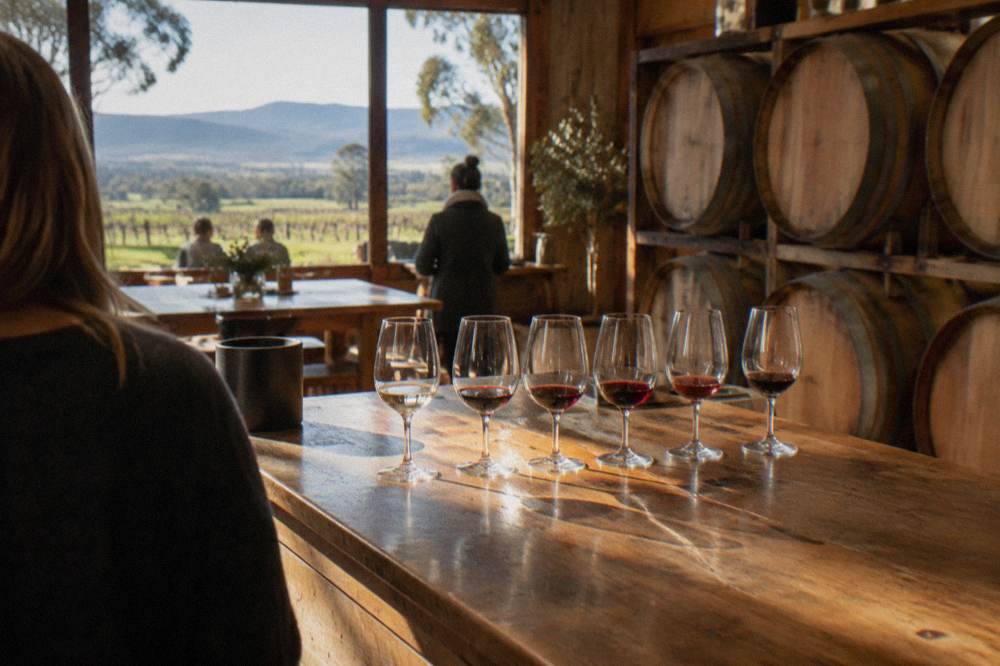
For visitors, the practical upside is that both ages are widely available at cellar doors, often side by side in a tasting flight. Tasting a two-year-old Semillon next to a ten-year-old from the same producer is the fastest way to understand why this wine is famous. One honest caveat: individual tour listings generally do not name the varieties poured on the day, so if tasting aged Semillon specifically matters to you, a cellar door experience booked for its own sake is the surer route. The Check availability link to the Audrey Wilkinson fromage and fortified wine experience, a 4.8-rated tasting from 115 reviews at A$80 per person, is one such stop, and it appears on our cheese and chocolate tasting guide too.
What Does Hunter Valley Shiraz Taste Like?
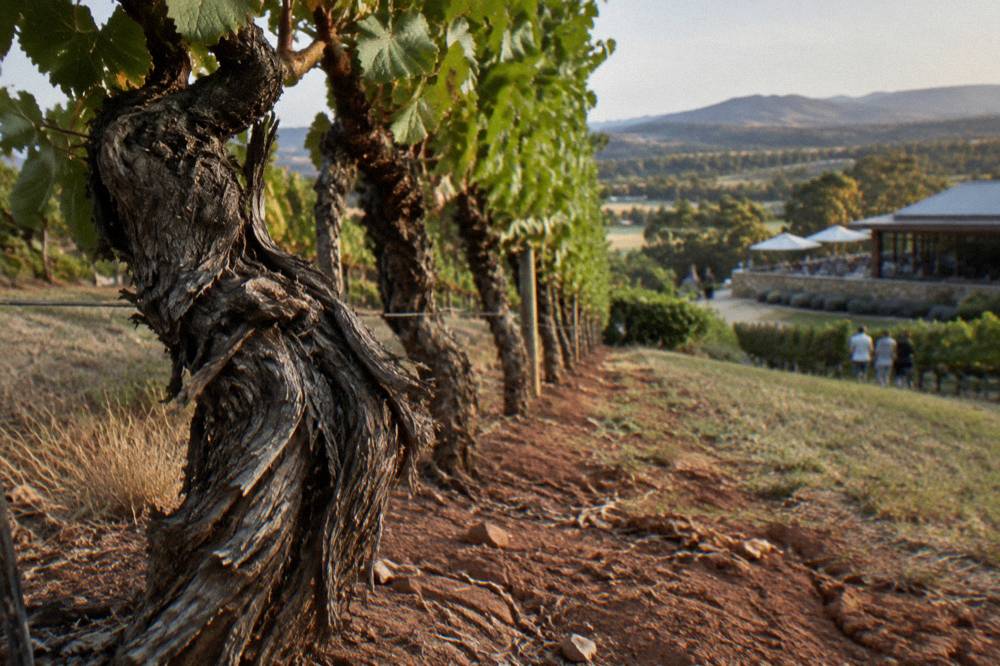
Hunter Valley Shiraz is medium bodied, savoury and food friendly rather than rich and sweet-fruited, and it can age for decades. Expect earthy, spicy notes with fine tannins, a style shaped by the region's warm, humid climate, and one that contrasts sharply with bigger warm-climate Australian Shiraz.
The regional association's own summary is that Hunter Shiraz is medium bodied, savoury and food friendly, with the capacity to age for decades. The comparison most often made is against South Australian Shiraz: where those wines lead with black fruit sweetness and plush body, Hunter versions lean to red and dark fruit, pepper, earth and leather, with structure doing more work than sweetness. Old vineyards matter here too. The Hunter's historic blocks of Shiraz, some among the oldest producing vines in the country, give wines of concentration without weight.
Ageing is the other half of the story. Young Hunter Shiraz can taste tight and almost restrained; with five to fifteen years in the cellar it fills out, the tannins soften, and savoury, mocha-like complexity arrives. This is why the wine has such a loyal following among collectors who buy by the dozen rather than the bottle. For a visitor tasting on a day tour, the practical tip is to ask at the cellar door whether an older vintage is open: many doors keep museum stock precisely for that question, and the contrast between young and old Shiraz is second only to the Semillon comparison.
Both signature varieties come from a fairly small crush. Wine Australia's National Vintage Report 2026, released in July 2026, recorded a Hunter Valley crush of 3,604 tonnes, down 36 percent on 2025, with Semillon at 1,074 tonnes and Shiraz at 628 tonnes. Small volumes of genuinely distinctive wine are a large part of why the region's fame rests on style rather than scale.
What About Chardonnay, Verdelho And The Alternatives?
Chardonnay and Verdelho complete the Hunter Valley's core varieties. Chardonnay shows white peach and citrus flavours with a slatey acid profile, while Verdelho offers a fuller, aromatic white. A growing band of alternatives includes Tempranillo, Sangiovese, Touriga Nacional, Barbera, Vermentino and Fiano.
Chardonnay deserves more fame than it gets. The Hunter has long been associated with the grape, and the modern style, shaped by earlier picking and gentler oak than earlier eras favoured, shows white peach and citrus over a mineral, slatey backbone. It is a food wine more than a sipping wine, and cellar doors often pour it beside the Semillon so the contrast is obvious: one rounder and riper, one leaner and sharper.
Verdelho is the quiet workhorse of warm-climate whites in the Hunter. Originally a Madeira grape, it holds its aromatics in the region's summer heat and produces a fuller-bodied, tropical-tinged white that suits visitors who find Semillon too austere. It rarely travels far from the region, which makes tasting it here one of those genuinely local experiences.
The alternative varieties are the newest chapter. Growers experimenting with the Mediterranean grapes that suit a warming climate have planted Tempranillo, Sangiovese, Touriga Nacional, Barbera, Vermentino and Fiano across the valley. None of them is famous yet, and that is the point: a tasting route that covers the four core styles plus one or two alternatives gives a fuller picture of where the region is heading than a route that sticks to its greatest hits.
| Variety | Typical Hunter Valley profile | Ageing potential |
|---|---|---|
| Semillon | Lemon and lime, citrusy crispness, lively natural acid; honeyed and toasty with age | 10 years plus, easily |
| Shiraz | Medium bodied, savoury, food friendly, earthy and spicy | Can age for decades |
| Chardonnay | White peach and citrus, slatey acid | Medium term |
| Verdelho | Fuller bodied, aromatic, suits warm weather | Best young |
Which Tours Let You Taste The Famous Wines?
No tour listing on this site names the specific varieties poured on the day, so the honest answer is that any guided tasting day will showcase regional styles without a promised variety list. Tours differ instead in format, length and price, from a 45-minute cellar door tasting at A$39 to full guided days from the valley or from Sydney.
That caveat matters, and it is worth stating plainly. Tastings are arranged with the cellar doors on the day, and the listings describe experiences by venue, pairing and duration rather than by grape. What you can choose deliberately is the shape of the tasting day, and the roster breaks down into a few clear families. Other pages covering the same trip are gathered on Hunter Valley Winery Tours.
| Tour | Format | Duration | Price | Rating and reviews |
|---|---|---|---|---|
| Two Fat Blokes cheese and wine tasting | Cellar door experience, no transport | 45 minutes | From A$39 per person | 4.9 from 152 reviews |
| Audrey Wilkinson fromage and fortified wine | Cellar door experience, no transport | 1 hour | From A$80 per person | 4.8 from 115 reviews |
| Snapshot half day wine tour | Valley small group, max 18 | 3 hours | From A$129 per person | 4.8 from 595 reviews |
| iHop Tastes of the Hunter | Valley small group, max 11, hotel pickup | 3 hours | From A$146 per person | 4.9 from 160 reviews |
| Uncork the Hunter full day | Valley small group, pickup from valley accommodation | 7 hours | From A$239 per person | 4.8 from 257 reviews |
| Colourful Collective full day from Sydney | Coach tour, CBD meeting points | 11 hours | From A$218 per person | 4.7 from 660 reviews |
For a valley-based visitor with a free morning, the Snapshot half day covers three venues in three hours, including a cheese tasting, at from A$129 per person, rated 4.8 from 595 reviews. Staying in the valley changes the maths again: the Uncork the Hunter full day collects from valley accommodation, includes a gourmet grazing box and runs small-group vans for seven hours, from A$239 per person. Sydney visitors weighing the drive, roughly two hours each way, will find the full comparison in our tours from Sydney guide.
When Is The Best Time To Taste The New Vintage?
Harvest in the Hunter Valley starts around the end of January and continues until March, so the freshest current-vintage whites appear from late autumn onward. Autumn and spring bring the most comfortable tasting weather, with summer averages of 28 to 30 degrees and winter days of 16 to 18 degrees framing the year.
The vintage rhythm shapes the whole valley. By late January the wineries are in full swing, and harvest crews work through February picking Semillon first, since it comes in earliest, followed by the reds. The 2026 crush was small, 3,604 tonnes across the zone, so plenty of cellar doors will be pouring 2025 stock well into 2027, and older vintages remain the region's signature offer regardless. Visitors in autumn get two bonuses: the vine leaves turn warm orange-red, and the summer holiday crowds have gone.
Spring is the other sweet spot. Temperatures sit in the early 20s, winemakers are visibly excited about budburst, and the event calendar fills up, from the Balloon Aloft Hunter Valley Fiesta in early October to the spring school holidays at Hunter Valley Gardens. Summer is hot, with average daily temperatures of 28 to 30 degrees and the heaviest rainfall of the year, but it is also when the gardens and pools shine, and a cold Semillon at 1pm in January is its own argument. Our best time to visit guide works through the calendar month by month.
How Do You Taste Responsibly Around The Wineries?
Taste responsibly by not self-driving: NSW law sets a 0.05 blood alcohol limit for full-licence drivers and zero for learners, P1 and P2 licence holders and many visitors on overseas or interstate learner or provisional licences. Transport for NSW recommends not drinking at all if you plan to drive, which makes guided tours the natural pairing.
The law is the blunt instrument here. A tasting pour is small, but three or four cellar doors multiply them quickly, and the police conduct random breath testing from every police car. The official guidance from Transport for NSW is to use taxis, ride-share, public transport or a designated non-drinking driver, and simply not to drink if you are driving. Cellar doors are not within walking distance of each other, so the driving question is unavoidable in this region.
Guided tours solve it neatly. A valley tour such as the iHop Tastes of the Hunter, a 4.9-rated three-hour small-group tasting from 160 reviews that includes hotel pickup within the valley at from A$146 per person, handles the logistics entirely. Sydney visitors can hand the whole day over: the chef-led Gourmet Getaway day, rated 5.0 from 792 reviews and from A$277 per person, is the one Sydney departure that lists hotel pickup from selected hotels, with breakfast, lunch and snacks included across an 11 to 12 hour day.
There is also a middle path for the curious: one deep cellar door experience instead of a crawl. A structured tasting, like the Audrey Wilkinson premium tasting with barrel samples and a fromage platter, concentrates the education into an hour and pairs the wine with food, which slows the drinking down. Walk or take a short taxi from valley accommodation and the question of who drives disappears.
Where Does The Region's Reputation Go Next?
The region's reputation rests on two centuries of Semillon and Shiraz, and its future is being built on the same soils: old vines, small crushes and a growing visitor economy of 8.6 million day trips a year. New dining openings and alternative varieties are widening the offer without displacing the two wines that made the valley famous.
History is the foundation. The first vineyard plots went in along the Hunter River in the early 1820s, and by 1840 the registered vineyard area had passed 500 acres. James Busby's collection of cuttings from Europe and South America, including Syrah from the Hermitage hill in the Rhone, seeded the industry, and a handful of estates still produce wine from historic blocks of the original plantings at Drayton's, Mount Pleasant, Poole's Rock and Tyrrell's. Very few wine regions anywhere can pour a living link to their founding vineyards.
The present is being written in dining and hospitality. Lucia Roche Estate opened at Roche Estate in Pokolbin on 17 September 2026 as a new Italian-inspired dining destination, and the visitor economy around the cellar doors keeps deepening. None of that displaces the core fact: this is, and remains, Semillon country. The regional association's wine styles pages still lead with Semillon and Shiraz, and the tasting rooms still pour them first.
If you are planning a first visit, match the tour to your base and your appetite rather than to any promised variety list. These three are a fair cross-section of the formats on offer, from a one-hour cellar door pairing to a full grazing-box day.
Common Questions About The Most Famous Hunter Valley Wine
What Is The Most Famous Wine From The Hunter Valley?
Semillon is the most famous wine from the Hunter Valley, a crisp, lemon-and-lime white that ages for ten years or more into honeyed, toasty flavours. Shiraz is the region's second signature: medium bodied, savoury and food friendly, capable of ageing for decades.
What does Hunter Valley Semillon taste like?
Young Hunter Semillon shows lemon and lime flavours, citrusy crispness and lively natural acid, usually at low alcohol and with no oak. With age it develops honeyed flavours and toasty notes while staying dry.
Is Hunter Valley Shiraz different from other Australian Shiraz?
Yes. Hunter Shiraz is medium bodied, savoury and food friendly rather than rich and sweet-fruited, with earthy and spicy notes and fine tannins, a profile shaped by the region's warm, humid climate.
Do tours promise specific wine varieties?
No. Tour listings on this site describe venues, pairings and duration but do not name the varieties poured on the day. If tasting a specific style such as aged Semillon matters, ask the operator before booking or choose a cellar door experience that pours its own range.
Can you taste the famous wines without a car?
Yes, and it is the recommended route. NSW drink driving law sets a 0.05 limit for full-licence drivers and zero for learner and provisional licences and many visiting licence holders, so guided tours, which include valley hotel pickup on several listings, are the natural pairing.