Best Time To Visit The Hunter Valley For A Wine Tour
The Hunter Valley runs on a rhythm most wine regions would envy: harvest heat in late summer, golden vines in autumn, quiet wood-fire cellar doors in winter and a festival-loaded spring. Picking the right month matters almost as much as picking the right tour.
Short answer
Autumn (March to May) and spring (September to November) are the best times to visit the Hunter Valley for a wine tour: mild days, vine colour or budburst, and the biggest event calendar. Harvest runs from late January to March, summer days average 28 to 30C, and winter days sit at 16 to 18C.
The Hunter Valley drew 8.6 million day-trip visitors in the year ending March 2026, more than any other destination in NSW, and most of them came between weekends, school holidays and the events that punctuate the valley calendar. That is the practical problem this guide solves: the region is worth visiting in every month of the year, but the experience changes sharply with the season, and so does the kind of tour that suits it.
What follows is a season-by-season reading of the valley built on official sources: climate averages from the Bureau of Meteorology's Cessnock Airport station, seasonal guidance and event dates from the Hunter Valley Wine & Tourism Association, and the tour roster itself, so every recommendation ties back to a bookable product. If you want the short version, aim for autumn or spring. If you want the reasoning, read on.
When Is The Best Time To Visit The Hunter Valley?
Autumn and spring are the best times for a Hunter Valley wine tour: March to May brings vine-leaf colour, cooling 20-something days and the tail of harvest, while September to November offers budburst, the Festival of Flowers and the biggest run of concerts and festivals. Both seasons pair mild walking weather with the full range of tours, from the iHop tasting circuit to full Sydney day trips. Once you've settled on a season, our guide to the best Hunter Valley wine tour for each type of traveller compares the top options by departure point, group size and budget.
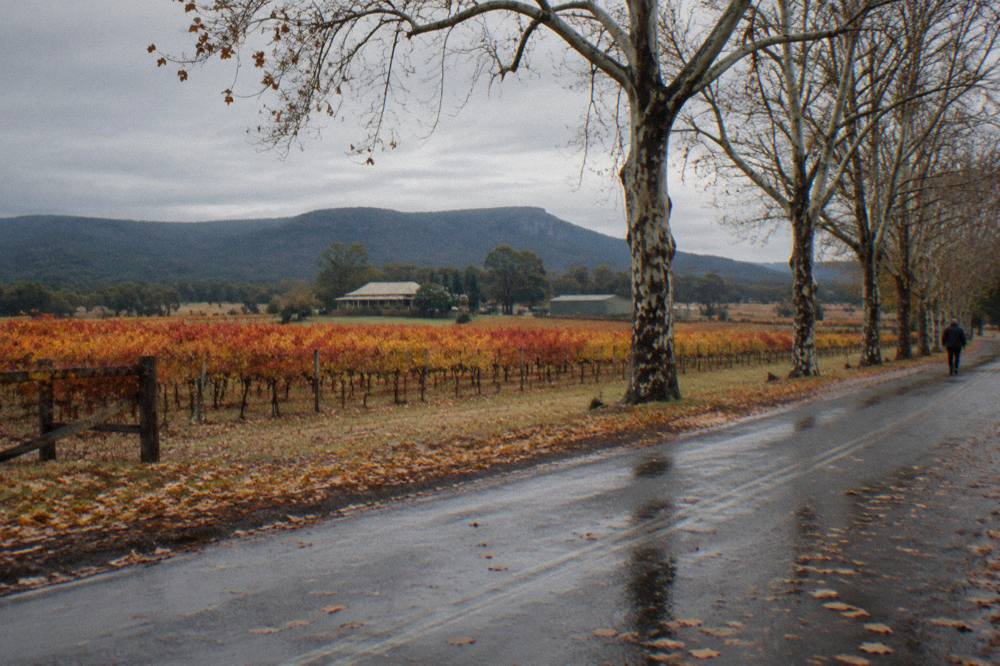
The Hunter Valley Wine & Tourism Association describes autumn as the season when the vine leaves turn a warm orange-red hue and start dropping, which is the valley at its most photographed. Spring is when winemakers get excited about budburst and the Spring Festival of Flowers takes over Hunter Valley Gardens in September. Both are shoulder seasons, which in practice means cellar doors are busy on weekends but calm midweek, and tour availability is wide.
Summer has the drama: harvest starts around the end of January and continues until March, so a February or early March visit can coincide with grapes coming in, but you are touring in 28 to 30C average heat. Winter is the insider's pick: days of 16 to 18C, nights dropping to 2 to 4C, and cellar doors at their quietest. The trade-off is shorter daylight for an 11-hour Sydney day trip.
There is also a calendar logic that has nothing to do with weather. The valley's biggest visitor draws cluster in spring and the lead into Christmas: the Balloon Aloft Fiesta in early October, the spring school-holiday program at Hunter Valley Gardens, and the Christmas Lights Spectacular from late October. Booking a tour in those windows means booking accommodation and seats earlier, a point worth weighing before you commit.
What Is The Hunter Valley Weather Like Month By Month?
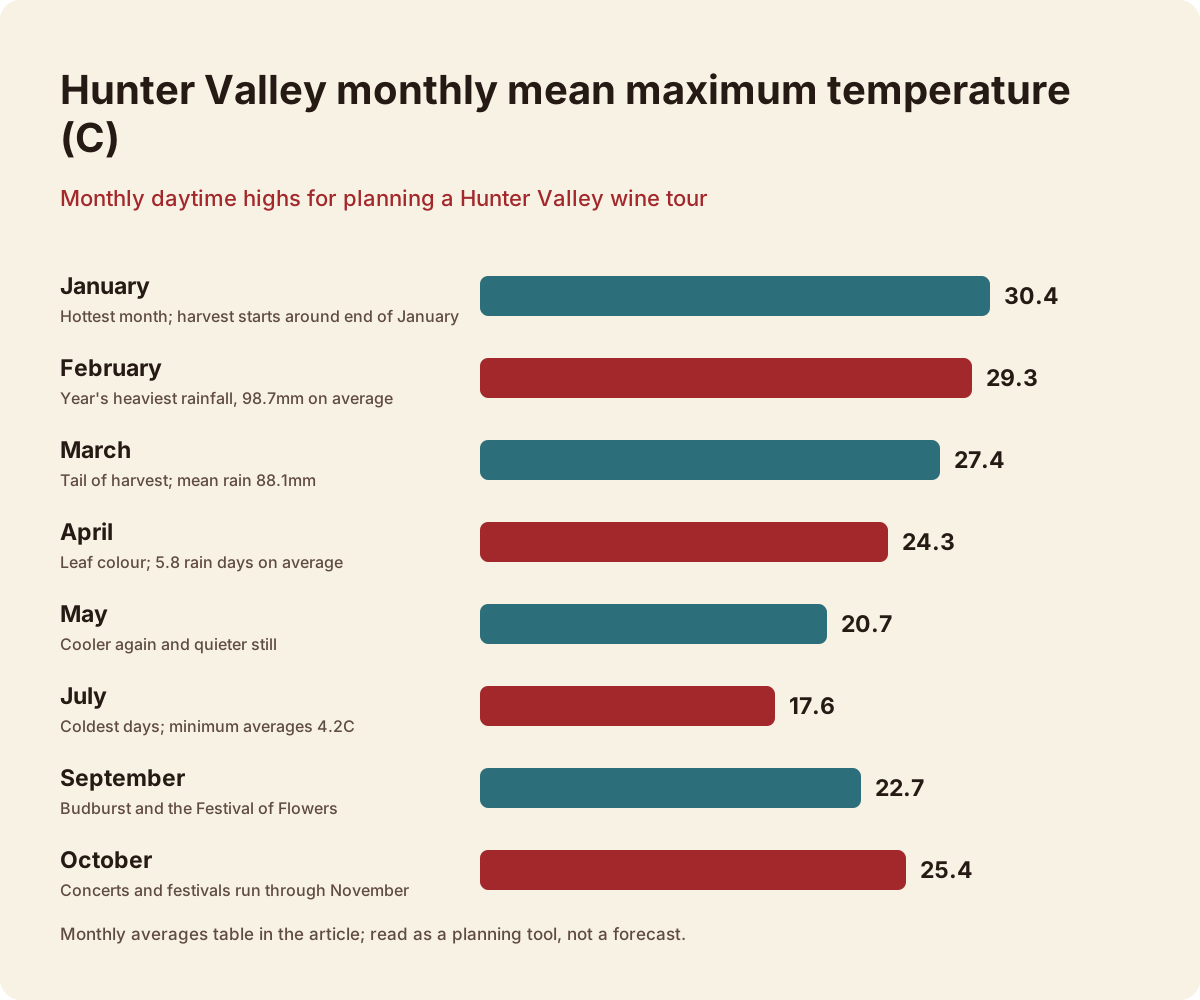
The Hunter Valley averages summer highs of 28 to 30C with January the hottest month at a 30.4C mean maximum, and winter days of 16 to 18C with July the coldest at 17.6C and overnight means near 4C. Rain falls heaviest in summer, peaking at 98.7mm on average in February, while July and August are the driest months.
These are Bureau of Meteorology averages from the Cessnock Airport weather station, which sits right in wine country, so they describe the temperatures you will actually stand in at a cellar door, not a Sydney forecast carried two hours inland. The pattern is a warm, humid East Coast climate: wet summers, dry winters, and a remarkably even run of months in between.
| Month | Mean max (C) | Mean min (C) | Mean rain (mm) | Mean rain days |
|---|---|---|---|---|
| January | 30.4 | 17.1 | 77.3 | 6.8 |
| February | 29.3 | 16.9 | 98.7 | 8.1 |
| March | 27.4 | 15.0 | 88.1 | 8.2 |
| April | 24.3 | 10.8 | 59.3 | 5.8 |
| May | 20.7 | 7.6 | 44.9 | 5.3 |
| June | 17.8 | 5.6 | 53.3 | 5.4 |
| July | 17.6 | 4.2 | 36.1 | 4.5 |
| August | 19.6 | 4.7 | 38.0 | 4.6 |
| September | 22.7 | 7.1 | 43.2 | 5.6 |
| October | 25.4 | 10.0 | 54.2 | 6.4 |
| November | 27.1 | 13.1 | 74.2 | 7.1 |
| December | 29.2 | 15.2 | 77.3 | 7.2 |
Read the table as a planning tool, not a forecast. March, April and May step down from 27.4C to 20.7C with rain easing each month, which is why autumn tours run long and comfortable. September and October climb gently from 22.7C to 25.4C, ideal for anything on foot. If you hate heat, note that February combines the highest mean maximum among the wet months with the year's heaviest rainfall, so a summer visit is best scheduled with a flexible cancellation policy, which most roster tours list.
The overnight numbers matter more than visitors expect. A July minimum averaging 4.2C means an evening at an outdoor tasting or a sunrise balloon flight is genuinely cold, and an 11 to 12-hour Sydney day tour in midwinter starts and ends in the dark. Pack layers from May through September regardless of how mild the afternoon looks.
Is Summer Or Harvest Season A Good Time For A Wine Tour?
Harvest, from around the end of January until March, is the most atmospheric time to tour: grapes are coming in, cellar doors are at their liveliest and days average 28 to 30C, but it is also the hottest, wettest part of the year, so book tours with free cancellation listed and prefer mornings.
The Hunter Valley Wine & Tourism Association is the source for the harvest window: it starts around the end of January and continues until March. Tour a winery in February and there is a real chance of seeing fruit on the crush pad, something no other month offers. The valley's signature styles, Semillon and Shiraz, are both picked in this window, and the energy around a working cellar door is noticeably different from the quiet of June.
The counterweight is the table above. January and February sit at the top of the temperature range and carry the heaviest rainfall of the year. That argues for the structure of a guided day over self-driving: an air-conditioned small-group vehicle, a driver who already knows the route, and no temptation to squeeze in one more cellar door in the afternoon heat.
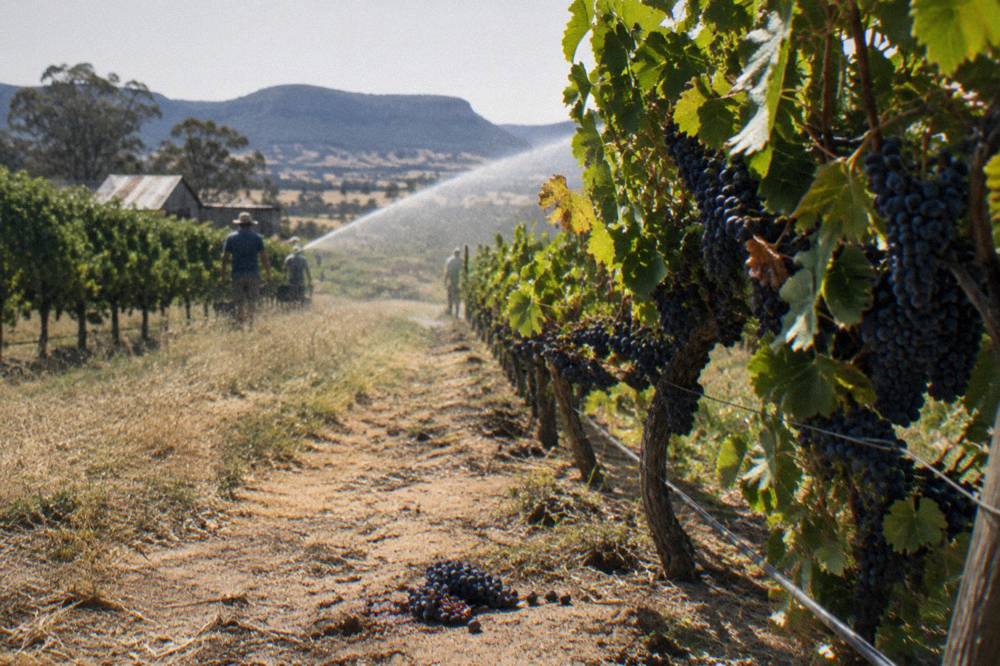
For a summer visit from Sydney, the chef-led Gourmet Getaway day suits the season well: it is the most-reviewed Sydney tour on this site's roster at 5.0 from 792 reviews, from A$277 per person, and it is the only one of the eleven Sydney day trips that lists hotel pickup, so nobody in your group drives or waits at a CBD meeting point in the heat. Breakfast, lunch and snacks are listed as included. Check availability on the live listing for your date.
If you are already staying in the valley, the iHop Tastes of the Hunter tour is a strong summer pick: three hours, from A$146 per person, 4.9 from 160 reviews, hotel pickup listed from Hunter Valley hotels, and a maximum of 11 travellers, so you are in and out of the heat with wine, spirits, cheese and chocolate tastings covered. For depth on the seasonal question, the site's best time of year planning guide sits alongside a one day Hunter Valley itinerary that works in any month.
Is Autumn The Best Season For Hunter Valley Wine Tours?
Autumn, March to May, is the strongest all-round season: harvest finishes through March, the vines turn orange-red through April, days ease from 27C to 21C, rain drops month by month, and every tour format on the roster runs comfortably, from 45-minute cellar door tastings to full-day Sydney coach trips.
March is arguably the single best month in the valley. It still carries harvest energy for its first weeks, the mean maximum has stepped down to 27.4C, and the tourist surge of summer holidays has passed. April brings the leaf colour the region's photographers chase, with a 24.3C mean maximum and only 5.8 rain days on average. May is cooler again at 20.7C and quieter still.
Autumn is also when the valley's vineyard scenery is at its most distinctive, and because cellar doors are not within walking distance of each other, per the regional tourism association, that scenery is best enjoyed from a vehicle. The Colourful Collective coach day from Sydney, from A$218 per person and 4.7 from 660 reviews, covers tastings at three wineries plus chocolate and gin pairings across 11 hours; its lunch is not included, which in autumn weather is a minor point since the midday stop is indoors regardless.
| Season | Mean day range | Vineyard scene | Best tour formats | Watch-outs |
|---|---|---|---|---|
| Summer (Dec to Feb) | 29 to 30C | Fruit ripening, harvest from late January | Small-group days with air-con, short valley tours | Heat, heaviest rain, peak holiday crowds |
| Autumn (Mar to May) | 21 to 27C | Harvest tail, orange-red leaf colour | Everything: coach days, small groups, cellar door tastings | Easter and school-holiday weekends book out |
| Winter (Jun to Aug) | 18 to 20C | Bare vines, wood-fire cellar doors | Intimate tastings, cheese and chocolate pairings, private tours | Cold nights near 4C, short daylight for long day trips |
| Spring (Sep to Nov) | 23 to 27C | Budburst, flowers at the Gardens | Balloon flights, festival-season tours, full-day trips | Concert and festival weekends spike demand |
The table is the guide in miniature: match the format to the season rather than fighting it. A 45-minute Two Fat Blokes cheese and wine tasting at A$39 per person is a winter-perfect plan; a midweek balloon flight is a spring one; a full 11-hour Sydney day is glorious in April and a endurance test in February.
Is Winter A Good Time To Visit The Hunter Valley?
Winter, June to August, is the valley's quiet season and a genuinely good one for wine-focused visitors: days average 16 to 18C, rain is at its lowest of the year, cellar doors are calm, and tour prices are unchanged, but nights drop to 2 to 4C so pack for cold evenings and expect short daylight hours.
The Bureau's numbers back the quiet-season case: July, the coldest month, averages a 17.6C maximum and only 36.1mm of rain across 4.5 rain days, the driest profile of the year. A tasting room with a fire, a shiraz in the glass and no queue at the bar is a very specific pleasure, and one that summer visitors never get.
Winter also favours the shorter, denser tours. The Snapshot half-day, three hours from A$129 per person and 4.8 from 595 reviews, tastes at three venues with a cheese stop, and meets in Pokolbin, so it never asks you to commit a full winter day. Its listing does not state hotel pickup, so plan to reach 770 McDonalds Rd yourself.
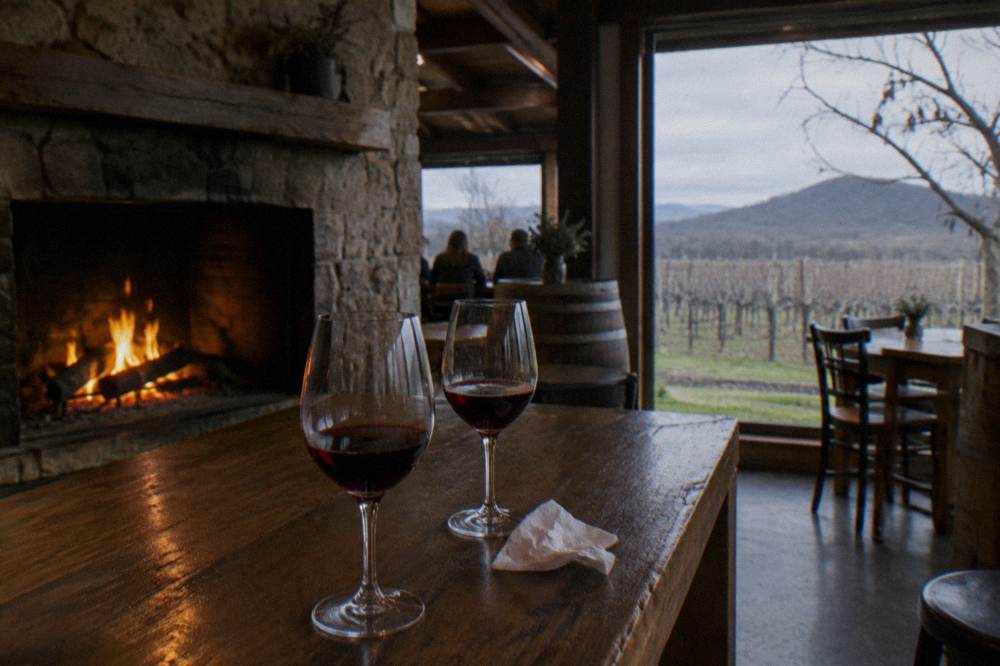
One winter caution is less obvious: some cellar-door experiences are outdoor by design. The Audrey Wilkinson picnic and tasting, from A$95 per person, 4.9 from 85 reviews, is built around a packed picnic hamper and a 90-minute masterclass, which is at its best from spring through autumn; check the operator's listing for winter operation before planning it in July. The same logic applies to the horse ride tour, a three-hour outdoor experience at A$159.
For groups, winter is the bargain window in every sense except price: the Heart of Hunter private full-day tour is from A$495 per group, lunch and tasting fees extra, with a small review pool of 22 at 5.0, and a bare-vine valley to yourselves. The site's private Hunter Valley wine tours guide covers the per-group versus per-person pricing traps in detail.
Is Spring The Best Time To Visit For Events And Balloon Flights?
Spring, September to November, is the valley's festival season: temperatures climb from 23 to 27C, budburst greens the vines, the Spring Festival of Flowers runs at Hunter Valley Gardens in September, and the event calendar peaks with the Balloon Aloft Fiesta in October and a run of outdoor concerts into December.
Spring is when the valley puts on its public face. The Spring Festival of Flowers at Hunter Valley Gardens takes place in September, according to the regional tourism association's own seasonal guide. In October 2026 the Balloon Aloft Hunter Valley Fiesta ran across the first weekend of the month, and the spring school-holiday program at the Gardens ran from 26 September to 11 October. Book spring weekends early; they are the busiest of the year outside Christmas.
Balloon flights belong to spring and autumn in most visitors' minds, but they operate year round, weather permitting. The Beyond Ballooning midweek flight on this site's roster is from A$279 per person, 5 hours with breakfast included, a maximum of 24 travellers, and it is one of the two roster listings that does not offer free cancellation, so a weather-driven change needs the operator's refund terms rather than a blanket cancel policy. Its review pool is small at 41 reviews, 4.9, so read the listing rather than the star alone. Wind, not temperature, is what grounds balloons, so treat any flight as weather-dependent and never a promise.
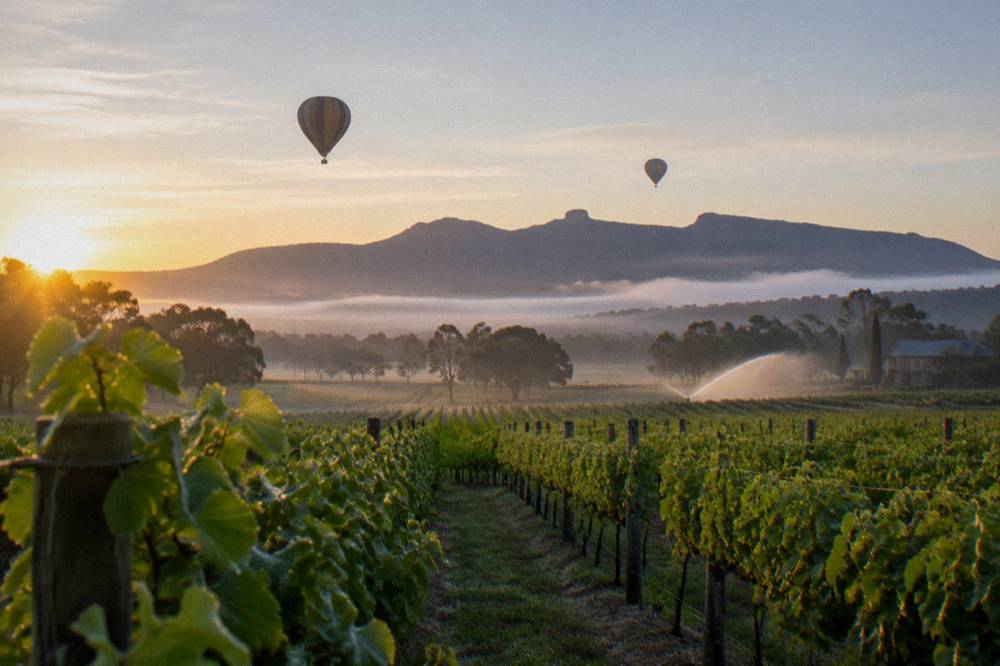
A spring pairing that works well: a sunrise balloon flight from Pokolbin on one morning, then a same-day tasting tour that starts after breakfast. The Uncork the Hunter full-day valley tour, from A$239 per person and 4.8 from 257 reviews, collects from Hunter Valley accommodation, includes a gourmet grazing box, and runs 7 hours, which slots neatly under a ballooning morning in the same stay. Note it cannot collect from Sydney; it is a valley-local product.
Spring is also the season the valley takes its show to Sydney: Hunter Valley Uncorked Balmoral ran on 18 October 2026 at Balmoral Beach, with more than twenty wineries and distillers pouring. If your dates match an event like that, it can replace one cellar-door day of a Sydney-based trip.
Which Months Have The Biggest Events And Crowds?
The peak visitor windows are harvest-high summer weekends, the spring festival run from late September to early November, and the Christmas Lights Spectacular period from 30 October 2026 to 31 January 2027, when Hunter Valley Gardens runs nightly from 5:30pm to 10:30pm and valley accommodation tightens accordingly.
The Christmas Lights Spectacular is the valley's single biggest annual draw, and its dates shape a full quarter of the visitor year. Because it opens at 5:30pm, a wine tour that day still works: a Sydney day tour returns well before lights-on. But no tour listing on this site's roster includes the Gardens or the lights, so treat them as a separate ticket you add yourself, never as a tour inclusion.
| Event | Dates | Where | Tour planning impact |
|---|---|---|---|
| Harvest (vintage) | Late January to March | Across the region | Busiest working period at cellar doors |
| Spring Festival of Flowers | September | Hunter Valley Gardens | Spring weekend demand rises |
| Spring school holidays program | 26 September to 11 October 2026 | Hunter Valley Gardens | Family crowds midweek too |
| Balloon Aloft Hunter Valley Fiesta | 3 to 5 October 2026 | Pokolbin | Accommodation and flights book early |
| Red Hot Summer Tour | 31 October 2026 | Roche Estate | Concert-night traffic and rooms |
| Christmas Lights Spectacular | 30 October 2026 to 31 January 2027, 5:30pm to 10:30pm | Hunter Valley Gardens | Peak season; book tours and rooms well ahead |
| A Day On The Green | 5 December 2026 | Bimbadgen Estate | Concert weekend sell-outs |
The pattern to plan around is simple: event weekends fill the valley's rooms, and full rooms mean full tours. If your dates are fixed to a concert or the lights, book the tour first and the accommodation second, because the tour is the scarcer seat. If your dates are flexible, the weeks either side of those events give you the same weather with a fraction of the crowd, a point the site's where to stay in the Hunter Valley guide expands on for Pokolbin, Lovedale and beyond.
Concert traffic has its own geometry: the regional tourism site advises the most direct approach to Pokolbin venues is via Allandale Road and Wine Country Drive through Cessnock, which is worth knowing if you are self-driving to a show after a tour day.
How Do You Match A Tour To The Season?
Match tour length and format to the month: full 11-hour Sydney day trips suit autumn and spring, short three-hour valley tastings suit summer heat and winter dark, picnic and outdoor cellar-door experiences belong to the warm months, and balloon flights are a cool-morning, weather-dependent fit for any season with the right clothes.
The mechanics of a Sydney day trip do not change with the seasons, but your tolerance for them does. The eleven roster Sydney tours run 9 to 12 hours door to door, about a two-hour drive each way per Visit NSW, and almost all meet at central Sydney points rather than hotels. In April that is a pleasure; in February it is a long hot day, and choosing the one tour with listed hotel pickup, the chef-led Gourmet Getaway, matters more.
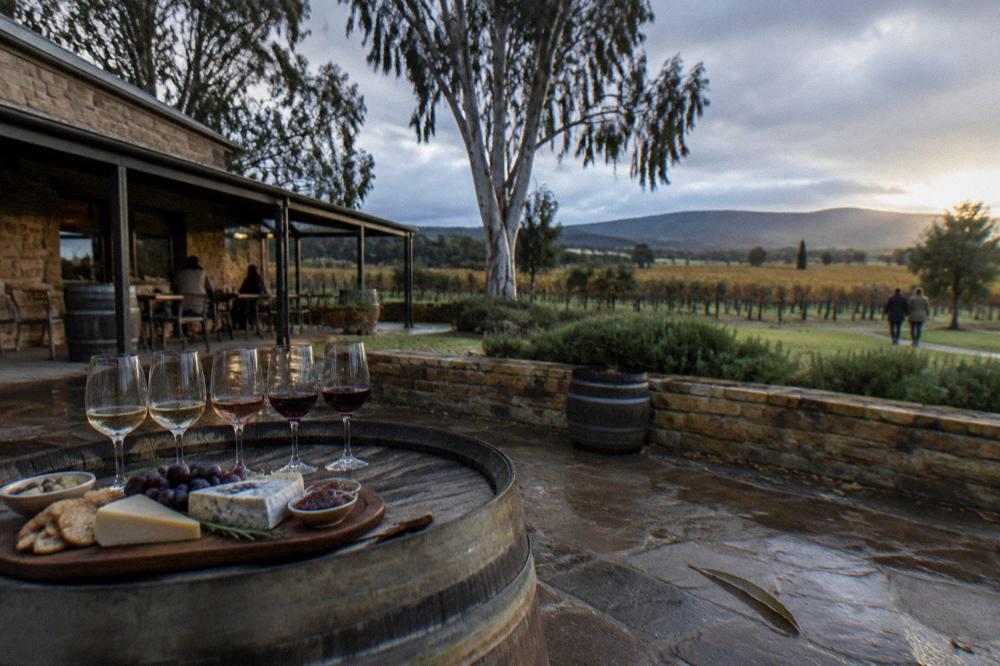
For valley-based visitors the Pokolbin half-day cheese and wine tour is a four-season workhorse: from A$129 per person, 4.6 from 529 reviews, hotel pickup listed from Pokolbin and Cessnock, with a cheese and wine matching at the Two Fat Blokes kitchen. In summer it fills the cool half of the day; in winter it fills the warm one.
One seasonal rule matters for any self-drive plan: NSW drink driving limits. Standard full-licence drivers must stay under 0.05, and the limit is zero for learner, P1 and P2 licence holders and for visitors on an overseas or interstate learner or provisional licence. Transport for NSW recommends not drinking at all if you plan to drive, which is the strongest argument for a guided tour in every month of the year. The site's do you need a car in the Hunter Valley piece works through the alternatives.
Should You Visit The Hunter Valley On A Weekday Or Weekend?
Midweek visits beat weekends in every season for cellar-door calm, and they are a practical necessity for two roster products: the Beyond Ballooning flight is a midweek-only listing, and weekday tours generally face shorter waits and more attentive tastings, though some valley venues and tours run reduced schedules early in the week.
The midweek argument is strongest in peak windows. A Tuesday in May or an August Wednesday is the valley at its most generous: bar staff with time, pourers who can talk through the Semillon ageing curve, and no queue behind a hen party. The same dates in late October, with the lights spectacular running, are busy but still softer than Saturday.
Check day-of-week operation before you lock a midweek plan, because a driven tour solves that problem for you. Dave's small-group valley tour with lunch, gin and cheese, from A$285 per person and 4.8 from 116 reviews, collects from selected Hunter Valley hotels and runs 6 to 7 hours, a format that fills a weekday completely without you having to coordinate anything.
Whichever day you choose, Hunter Valley Winery Tours exists to make exactly this decision easier, comparing real listings month by month rather than selling one season as the only answer.
Common Questions About The Best Time To Visit The Hunter Valley
When Is The Best Time To Visit The Hunter Valley?
Autumn, March to May, and spring, September to November, are the best times: mild days from 20 to 27C, vine colour or budburst, and the fullest event calendar. Harvest, from late January to March, is the most atmospheric but hottest window, and winter is the quietest with days of 16 to 18C.
What Month Is Harvest In The Hunter Valley?
Harvest starts around the end of January and continues until March, according to the Hunter Valley Wine & Tourism Association. February and early March are the months most likely to coincide with grapes being picked and crushed at the cellar doors you visit.
Is The Hunter Valley Too Hot In Summer?
Summer days average 28 to 30C and January, the hottest month, averages a 30.4C maximum with summer also the wettest part of the year. Tours still run daily; prefer morning or shorter tours, choose air-conditioned small-group formats, and book with free cancellation listed in case of extreme weather.
Is Winter A Good Time To Do A Hunter Valley Wine Tour?
Yes. Winter days average 16 to 18C, July is the driest month of the year, and cellar doors are at their quietest. Nights drop to an average of 2 to 4C, so pack warm layers, and note that outdoor experiences like vineyard picnics are better saved for warmer months.
When Do The Christmas Lights Run At Hunter Valley Gardens?
The Christmas Lights Spectacular runs from 30 October 2026 to 31 January 2027, from 5:30pm to 10:30pm at Hunter Valley Gardens on Broke Road, Pokolbin. No tour on this site's roster includes the lights, so book that ticket separately and expect peak-season crowds and accommodation demand.
What Is The Cheapest Time To Tour The Hunter Valley?
Tour prices on the roster do not change with the season, so the cheapest time is simply when demand is lowest: midweek days in winter, or the weeks either side of the spring festival run and the Christmas Lights period. The cheapest full Sydney day is the A$218 Colourful Collective tour, and valley half days start at A$129 per person.